
About this collection:
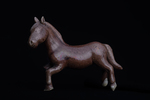
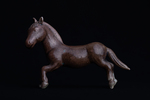
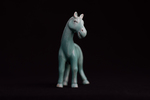
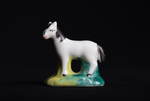
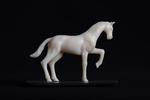
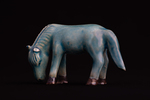
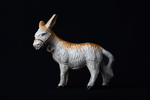
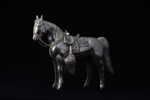
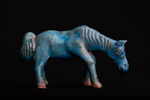
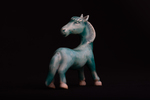
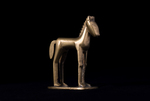
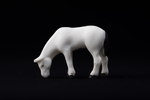
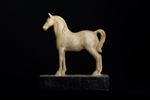
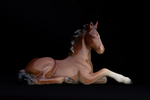
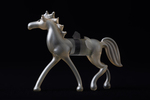
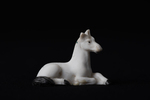
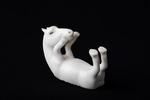
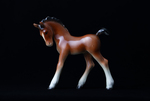
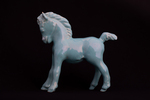
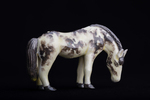
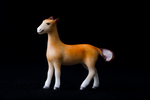
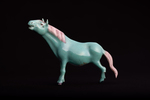
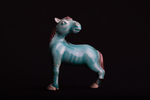
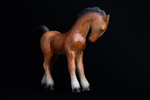
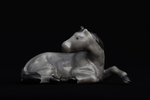
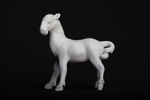
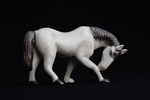
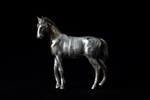
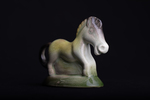
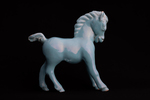
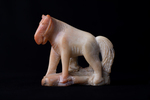
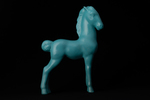
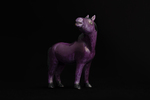
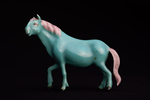
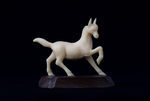
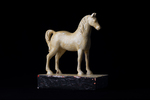
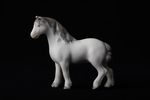
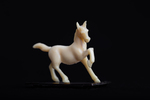
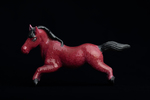
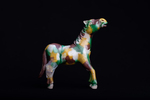
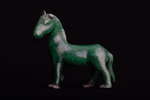
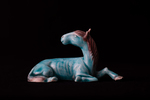
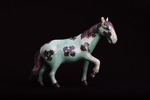
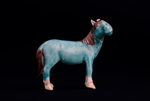
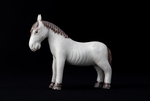
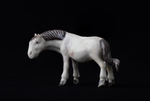
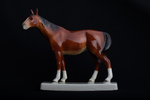
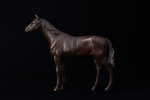
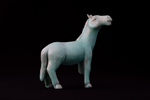
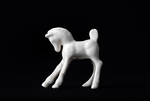
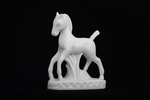
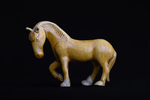
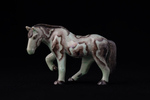
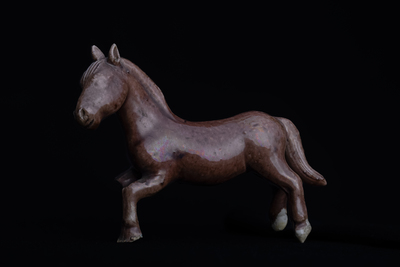
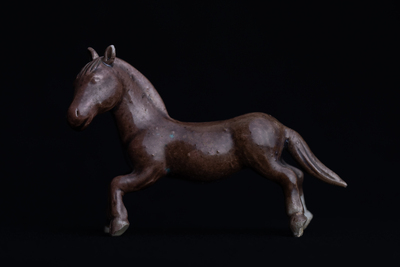
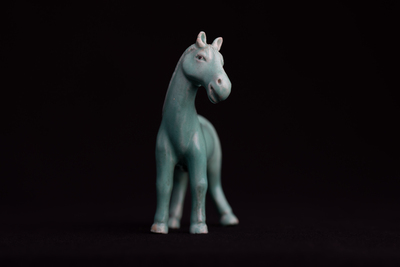
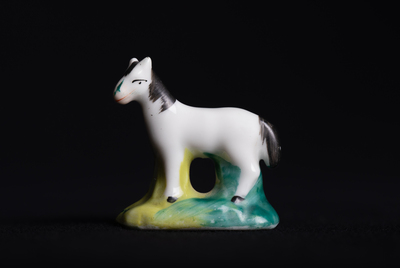
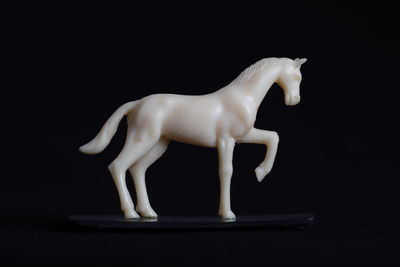
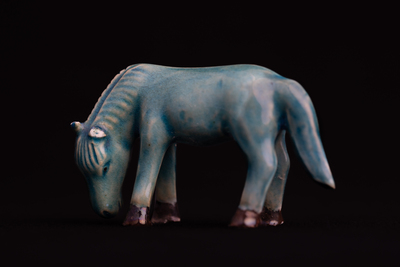
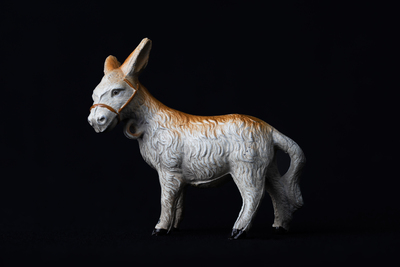
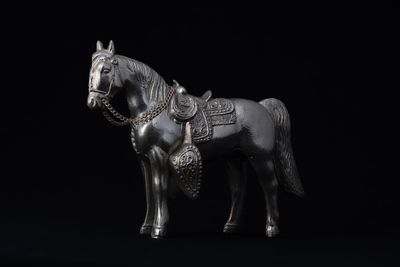
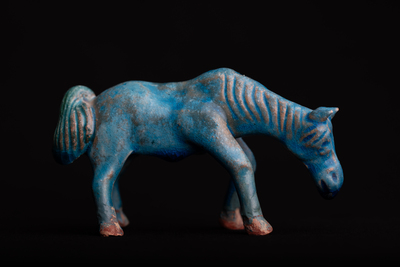
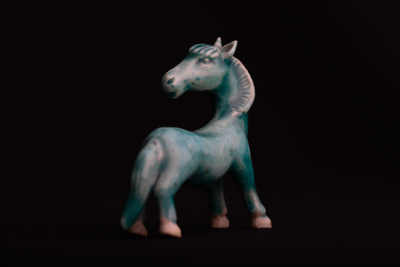
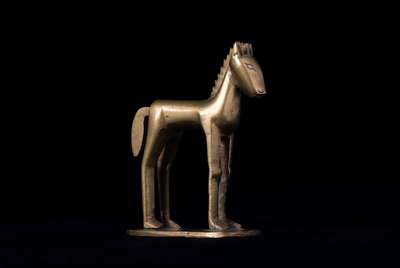
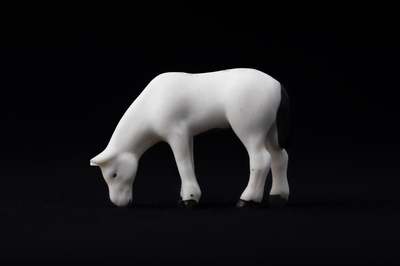
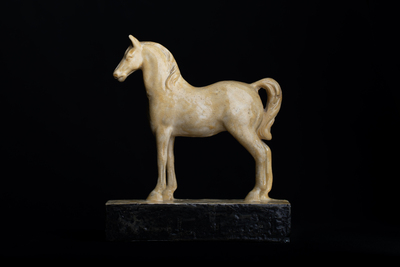
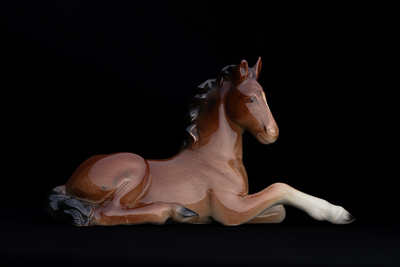
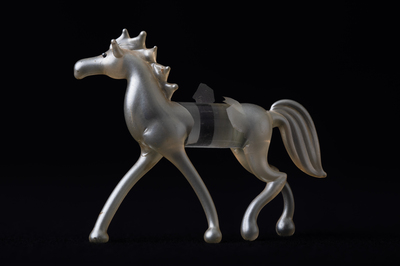
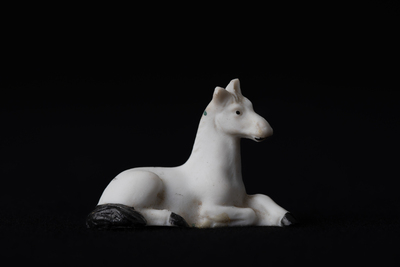
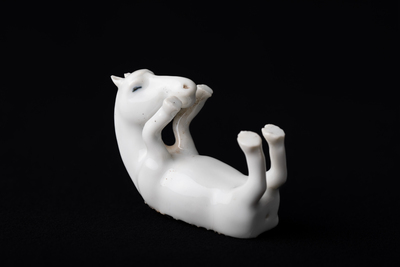
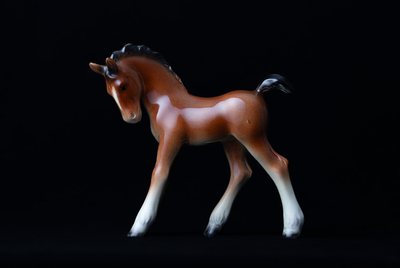
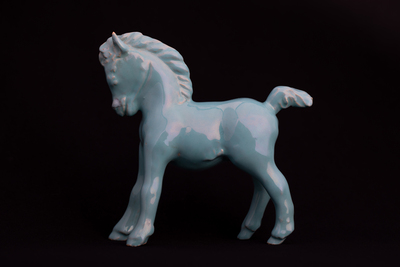
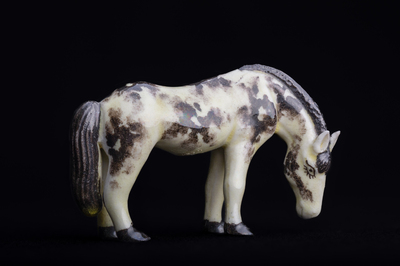
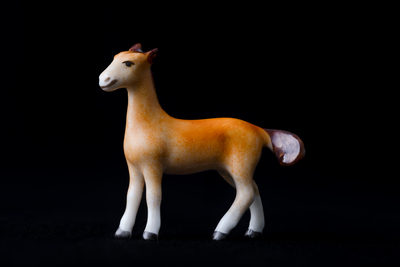
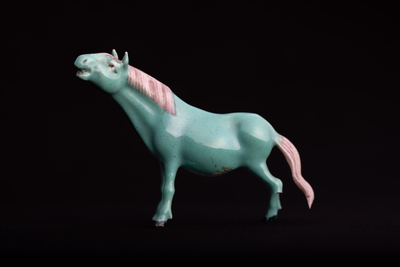
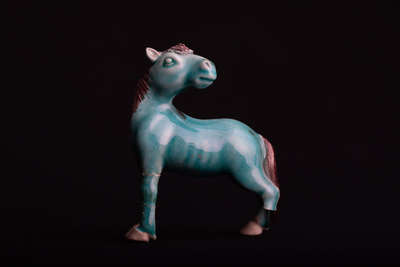
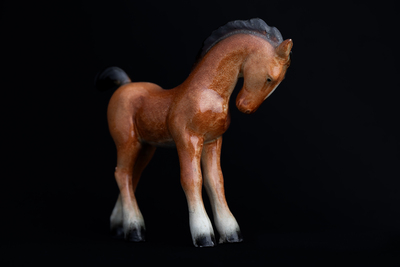
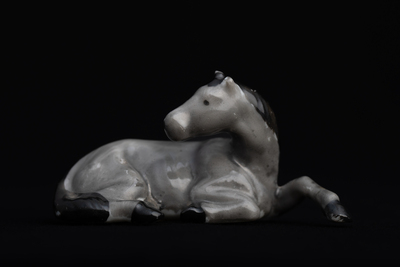
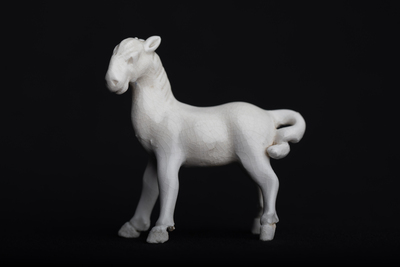
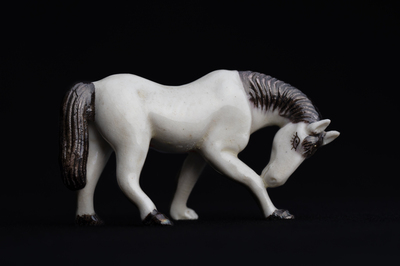
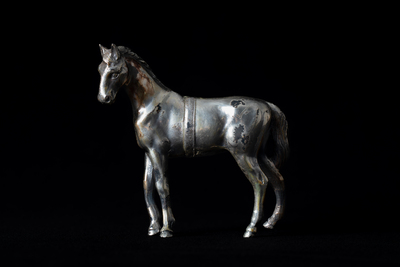
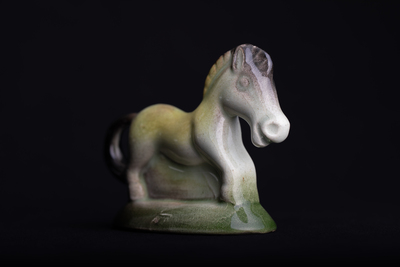
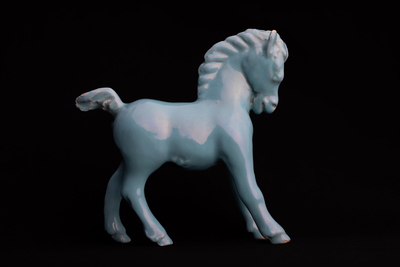
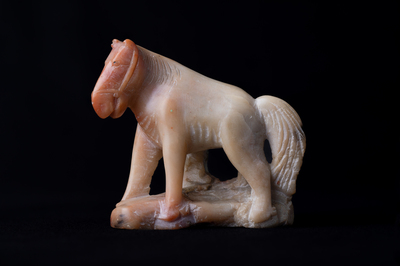
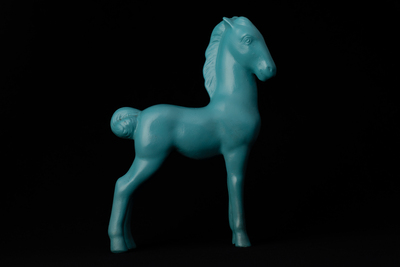
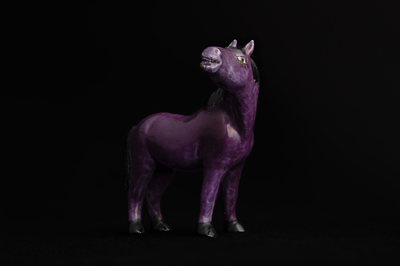
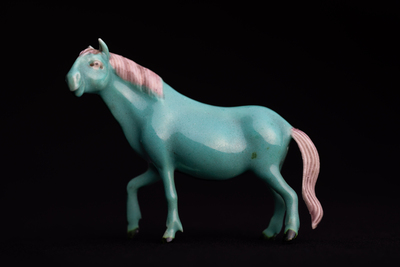
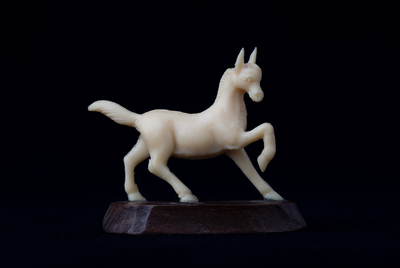
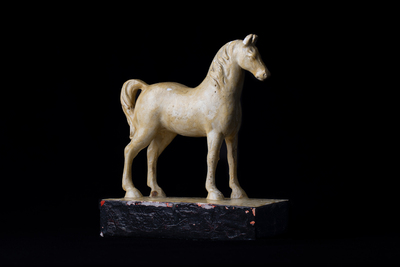
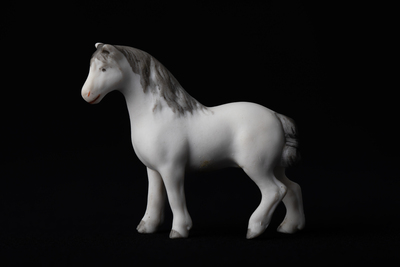
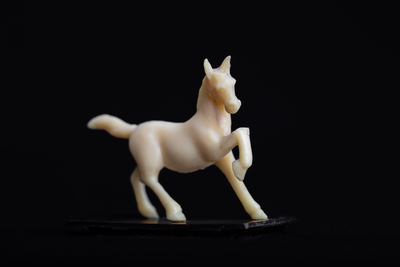
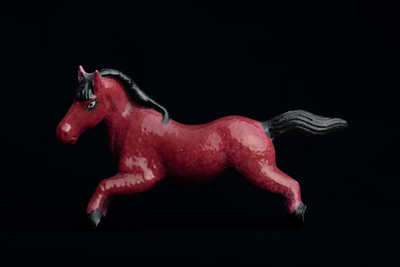
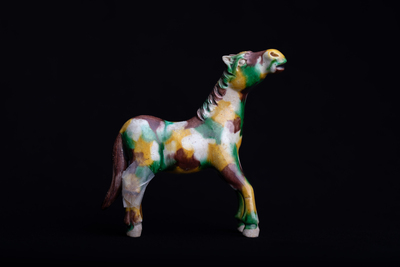
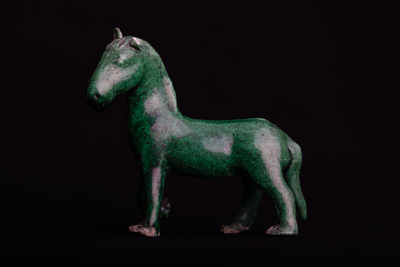
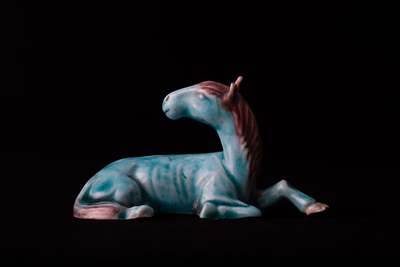
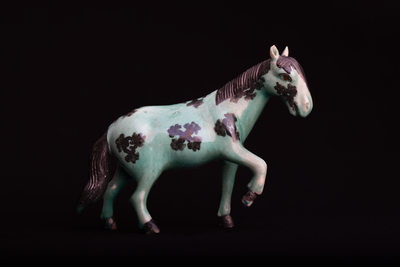
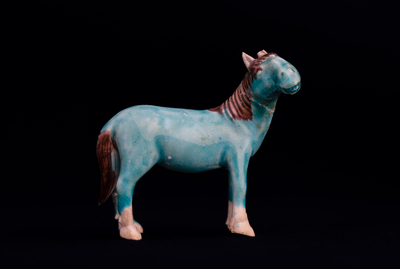
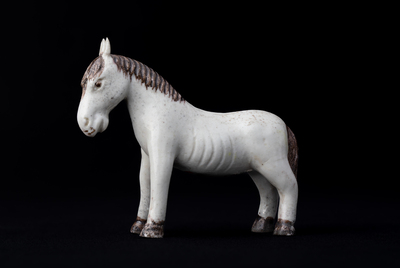
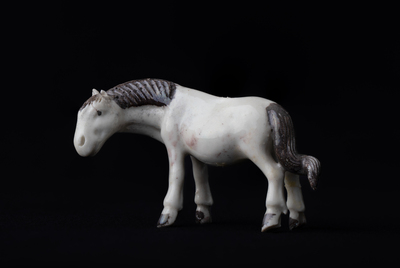
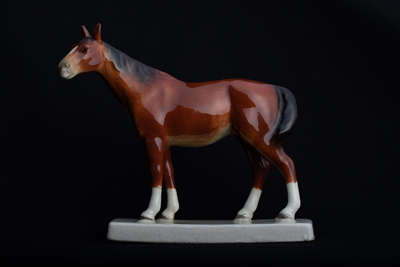
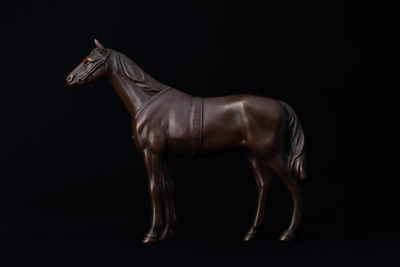
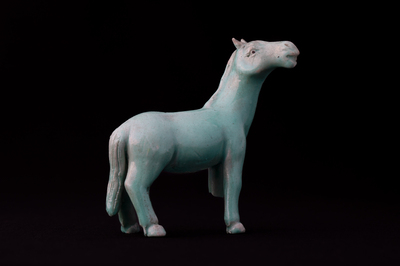
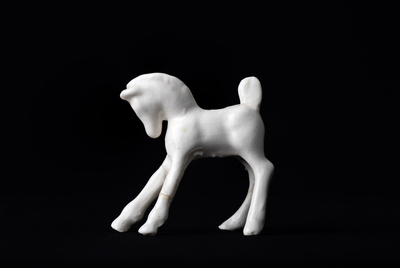
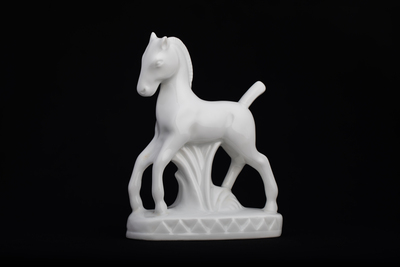
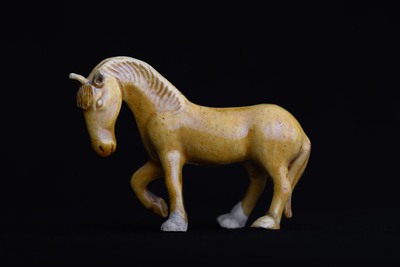
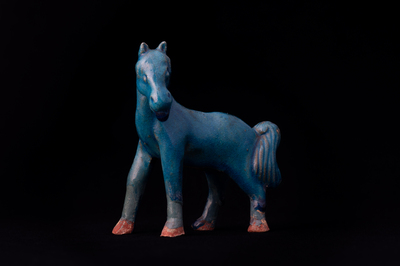
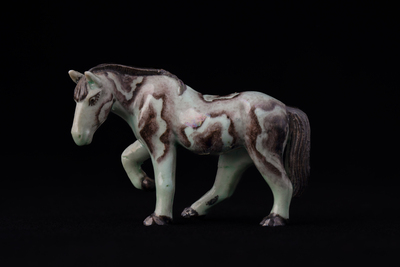
The James Branch Cabell Horse Figurine collection is a work of the imagination presented in the form of carefully crafted descriptions for Cabell’s collection of 56 horse figurines. The author began by imagining that the literary characters he had created and the real-life people he wrote about were his friends, and that they had given these horses as gifts. Looking to myth and legend, Cabell next chose names for his horses from legendary steeds whose characteristics made them appropriate to the imagined giver. Finally, for viewers who might not recognize where these “friends” appeared in Cabell’s oeuvre, book titles were listed on Cabell’s carefully typed exhibit labels.
In this way, James Branch Cabell, who was a great fan of puzzles, word-play, and erudite jokes, wrapped each horse in a whimsical and multi-layered set of allusions bringing together myth, history, Cabell’s biography, and his published works. For Cabell, the descriptions, presented here as he wrote them, are not straightforward cataloging, but a creative work that is illustrated by the figurines he enjoyed collecting.
Cabell (whose name comes from a Latin word for horse, caballus) numbered and arranged the collection in alphabetical order. For this reason, horses that typically appear together in legend will have separate records (e.g, Lampon and Dinos; Balios and Xanthos).
Item records in this digital collection include descriptions from a list that the author prepared, along with the text of his typed exhibit labels. Due to space restrictions, Cabell abbreviated the titles of his works on these labels. Full titles are listed below:
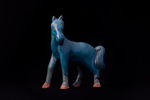
Four of Cabell’s horses could not be photographed when this digital collection was being prepared. In the absence of photographs, an artist’s imagining of these figurines will accompany James Branch Cabell’s descriptions for Bayard (Horse 10), Granë (Horse 24), Hófvarpnir (Horse 27), and Rosinantë (Horse 43).
While the playful element in Cabell’s horse figurines is undeniable, the care he took to prepare their literary scaffolding points to another more serious purpose. As always, Cabell would have delighted in a quirky demonstration of his wit and erudition, but the puzzles he created around each horse form associations that may be seen as a kind of commentary on Cabell’s part and, for the creative writing student, a primer in the art of metaphor and allusion. Two examples follow:
In 1949, author Andrew Lytle founded the creative writing program at the University of Florida. In support of the new program, Director of University Libraries Stanley L. West established a creative writing center (also known as the contemporary writing center) and collection. The papers of Pulitzer Prize winner and Florida resident Marjorie Kinnan Rawlings formed the foundation of that collection. Rawlings believed that students would best learn the writing and editing process by studying authors’ manuscripts. She encouraged other writers to support the new collection with donations.
Among Rawlings’ friends was James Branch Cabell, who, by 1935 had begun spending most of the winter months in St. Augustine, FL, due to Cabell's recurring bouts of pneumonia. James and his wife Percie Cabell socialized with Rawlings and other writers in Florida.
Cabell’s horse collection arrived at the University of Florida in two installments. The first group of 20 figurines was followed by an additional group with some revised descriptions. On June 4, after the first group was sent, Stanley West wrote to University President J. Hillis Miller to request he send Cabell a note of thanks. “Last week Mr. James Branch Cabell sent to the Library twenty little horses from his collection. They are really beautiful little figurines and I believe mean something to him personally. I am enclosing a copy of his letter which explains their meaning much more beautifully than could I.” (J. Hillis Miller papers, P10a, box 11).
In that same letter, West mentioned other Cabell donations to the new writing center: a manuscript of his work There Were Two Pirates: A Comedy of Division, and five autographed copies of other books. “I believe this is the most significant gift since the original manuscripts presented by Marjorie Kinnan Rawlings,” wrote West.
James Branch Cabell did not forget about his “little horses” and six years later wrote Stanley West to inquire if the library still had them. West reassured him that “All fifty-six of them are in the Creative Writing Room, displayed on shelves behind glass doors. It is a collection of which we are very proud.” (Marjorie Kinnan Rawlings Papers, West to Cabell, Nov. 12, 1957).
Credits
This collection was digitized by Katie Condon with assistance from Leonard Okyere and Nhi Tu from 2025-2026. Digital Outreach and Special Projects Librarian Alice W. Campbell provided research, created text for the landing page, and crafted the item descriptions. Minuet Curry created illustrations of horses that could not be photographed.
The James Branch Cabell Horse Figurine collection is a work of the imagination presented in the form of carefully crafted descriptions for Cabell’s collection of 56 horse figurines. The author began by imagining that the literary characters he had created and the real-life people he wrote about were his friends, and that they had given these horses as gifts. Looking to myth and legend, Cabell next chose names for his horses from legendary steeds whose characteristics made them appropriate to the imagined giver. Finally, for viewers who might not recognize where these “friends” appeared in Cabell’s oeuvre, book titles were listed on Cabell’s carefully typed exhibit labels.
In this way, James Branch Cabell, who was a great fan of puzzles, word-play, and erudite jokes, wrapped each horse in a whimsical and multi-layered set of allusions bringing together myth, history, Cabell’s biography, and his published works. For Cabell, the descriptions, presented here as he wrote them, are not straightforward cataloging, but a creative work that is illustrated by the figurines he enjoyed collecting.
Cabell (whose name comes from a Latin word for horse, caballus) numbered and arranged the collection in alphabetical order. For this reason, horses that typically appear together in legend will have separate records (e.g, Lampon and Dinos; Balios and Xanthos).
Item records in this digital collection include descriptions from a list that the author prepared, along with the text of his typed exhibit labels. Due to space restrictions, Cabell abbreviated the titles of his works on these labels. Full titles are listed below:
- The First Gentleman of America: A Comedy of Conquest
- Ladies and Gentlemen: A Parcel of Reconsiderations
- Smith: A Sylvan Interlude
- Smirt: An Urbane Nightmare
- Some of Us: An Essay in Epitaphs
- Special Delivery: A Packet of Replies
- The St. Johns: A Parade of Diversities (Branch Cabell & A. J. Hanna)
Four of Cabell’s horses could not be photographed when this digital collection was being prepared. In the absence of photographs, an artist’s imagining of these figurines will accompany James Branch Cabell’s descriptions for Bayard (Horse 10), Granë (Horse 24), Hófvarpnir (Horse 27), and Rosinantë (Horse 43).
While the playful element in Cabell’s horse figurines is undeniable, the care he took to prepare their literary scaffolding points to another more serious purpose. As always, Cabell would have delighted in a quirky demonstration of his wit and erudition, but the puzzles he created around each horse form associations that may be seen as a kind of commentary on Cabell’s part and, for the creative writing student, a primer in the art of metaphor and allusion. Two examples follow:
- Horse 28. Houyhnhnm is a character from Gulliver’s Travels (a work of satirical social commentary). Houyhnhnm is a sentient talking horse who cares for Gulliver whom he singles out from the race of brutish humans. This horse is the purported gift of Henry Louis Mencken, satirist writing social commentary and champion of Cabell.
- Horse 43. Rosinantë. Don Quixote’s skinny, clumsy less-than-perfect horse is a gift from Ǣsred, Our Lady of Compromise. Rosinantë is described as a nag or workhorse and the Latin caballus from which Cabell’s name derived, is used by poets to describe the same type of horse.
In 1949, author Andrew Lytle founded the creative writing program at the University of Florida. In support of the new program, Director of University Libraries Stanley L. West established a creative writing center (also known as the contemporary writing center) and collection. The papers of Pulitzer Prize winner and Florida resident Marjorie Kinnan Rawlings formed the foundation of that collection. Rawlings believed that students would best learn the writing and editing process by studying authors’ manuscripts. She encouraged other writers to support the new collection with donations.
Among Rawlings’ friends was James Branch Cabell, who, by 1935 had begun spending most of the winter months in St. Augustine, FL, due to Cabell's recurring bouts of pneumonia. James and his wife Percie Cabell socialized with Rawlings and other writers in Florida.
Cabell’s horse collection arrived at the University of Florida in two installments. The first group of 20 figurines was followed by an additional group with some revised descriptions. On June 4, after the first group was sent, Stanley West wrote to University President J. Hillis Miller to request he send Cabell a note of thanks. “Last week Mr. James Branch Cabell sent to the Library twenty little horses from his collection. They are really beautiful little figurines and I believe mean something to him personally. I am enclosing a copy of his letter which explains their meaning much more beautifully than could I.” (J. Hillis Miller papers, P10a, box 11).
In that same letter, West mentioned other Cabell donations to the new writing center: a manuscript of his work There Were Two Pirates: A Comedy of Division, and five autographed copies of other books. “I believe this is the most significant gift since the original manuscripts presented by Marjorie Kinnan Rawlings,” wrote West.
James Branch Cabell did not forget about his “little horses” and six years later wrote Stanley West to inquire if the library still had them. West reassured him that “All fifty-six of them are in the Creative Writing Room, displayed on shelves behind glass doors. It is a collection of which we are very proud.” (Marjorie Kinnan Rawlings Papers, West to Cabell, Nov. 12, 1957).
Credits
This collection was digitized by Katie Condon with assistance from Leonard Okyere and Nhi Tu from 2025-2026. Digital Outreach and Special Projects Librarian Alice W. Campbell provided research, created text for the landing page, and crafted the item descriptions. Minuet Curry created illustrations of horses that could not be photographed.
Printing is not supported at the primary Gallery Thumbnail page. Please first navigate to a specific Image before printing.