



Files
Download Full Text (15.8 MB)
Abstract
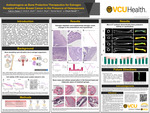
Breast cancer (BC) is one of the most significant causes of mortality among women and the second leading cause of cancer death in women. The estrogen receptor (ER) is a key oncogenic driver in the majority of breast cancer. ER+ BC is the most common molecular subtype of BC. Management of ER+ breast cancer varies depending on menopausal status. For premenopausal women, the goal is to suppress estradiol production from the ovaries with surgical oophorectomy and/or aromatase inhibitors. In postmenopausal women, endocrine therapy (ET) serves to suppress estradiol production from sources other than the ovaries. During the menopausal transition, estradiol levels decrease, resulting in a negative balance of the bone remodeling cycle, resulting in osteoporosis. ET also leads to a decrease in estrogen and osteoporosis induced by ET in ER+ BC has become a concern. In this study, ovariectomized NSG mice were treated with different antiestrogens over the course of 6 weeks. We have shown significant differences in bone density and trabecular thickness were observed between the E2 and treatment groups. Hypothesis: Endocrine therapies display context-dependent ER agonist activity in the bone in models of estrogen-withdrawal induced osteoporosis.
Publication Date
2026
Subject Major(s)
Biology
Keywords
endocrine therapies, osteoporosis, ER+ breast cancer
Current Academic Year
Senior
Faculty Advisor/Mentor
Dr. J. Chuck Harrell
Faculty Advisor/Mentor
Emily K. Zboril
Rights
© The Author(s)
Disciplines
Cancer Biology | Medical Cell Biology | Medical Pathology | Molecular Biology
Downloaded from
Parker, Faith E.; Zboril, Emily K.; Boyd, David C.; Myrick, Rachel; and Harrell, J. Chuck, "Antiestrogens as Bone Protective Therapeutics for Estrogen Receptor-Positive Breast Cancer in the Presence of Osteoporosis" (2026). UROP Posters. Poster 496.
https://scholarscompass.vcu.edu/uresposters/496
Included in
Cancer Biology Commons, Medical Cell Biology Commons, Medical Pathology Commons, Molecular Biology Commons