



Files
Download Full Text (13.0 MB)
Abstract
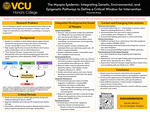
Myopia, or nearsightedness, has increased rapidly worldwide and is now a major public health concern caused by both genetic and environmental factors. Current understanding shows that too much near work, limited time spent outdoors, and prolonged screen use contribute to abnormal eye growth in individuals who may already have a genetic predisposition. At the molecular level, epigenetic changes and shifts in DNA activity, often influenced by environmental conditions, affect the signaling pathways that regulate eye development and may help explain why myopia is increasingly common among children. This paper synthesizes recent environmental, genetic, and epigenetic research to explain how these factors contribute to the development and progression of myopia, particularly in children and adolescents. Genetic studies indicate that genes increase the risk of developing myopia, while environmental factors largely determine its severity. Evidence from epigenetics and molecular biology shows how external stimuli can alter gene expression, shaping refractive development through gene-environment interactions. Current interventions, including specialized lenses, atropine eye drops, and light-based therapies, aim to interrupt the biological pathways linked to abnormal eye growth, and several newer approaches have shown promising early results. This analysis synthesizes existing research to clarify the biological and environmental processes behind myopia and to show how these findings relate to current approaches used to slow its progression. By combining research across genetics, epigenetics, and environmental studies, this paper highlights how these factors collectively drive myopia development and why understanding their interaction during early developmental stages is important for improving early detection and treatment in children and adolescents.
Publication Date
2026
Subject Major(s)
Biology
Keywords
Myopia, epigenetics, environmental, genetic, development, therapies
Disciplines
Biological Factors | Cell Biology | Cells | Diagnosis | Equipment and Supplies | Medical Genetics | Sense Organs | Therapeutics
Current Academic Year
Freshman
Faculty Advisor/Mentor
Dr. Chris Rudeen
Sponsorship
Virginia Commonwealth University. Undergraduate Research Opportunities Program
Is Part Of
VCU Undergraduate Research Posters
Rights
© The Author(s)
Included in
Biological Factors Commons, Cell Biology Commons, Cells Commons, Diagnosis Commons, Equipment and Supplies Commons, Medical Genetics Commons, Sense Organs Commons, Therapeutics Commons