



Files
Download Full Text (1.4 MB)
Publication Date
2025
Sponsor
NIH/NCI P30 CA016059; NIH/NCI R01 CA245143; NIH/NCI R01 CA259415; NIH/NCI U54 CA210962; NIH/NCI R21 PQ2 CA258139; Bobzilla Foundation, Massey Support Shared Resources
Description
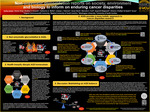
Background: Despite advancements in cancer treatment, disparities in incidence and mortality persist among different races and ethnicities. These disparities are influenced by an intricate interplay between environmental, biological and social factors that underscore the need for a multifaceted approach to understand this relationship. Objective/Aim: To show that advanced glycation end products (AGEs) due to non-enzymatic glycoxidation represent informative and functional markers that report on the combined impact of environmental, biological and social factors on enduring cancer disparities. Methods: To address this objective, a more holistic approach to disparities research was used ranging from basic research, population-based investigations, preclinical and clinical studies, as well as initiatives aimed at raising community awareness. Results: In first of kind in vitro, ex vivo, and in vivo basic studies, dietary AGEs were shown to exacerbate metabolic, immune and oxidative dysfunction within the breast and prostate tumor microenvironment (TME), to promote aggressive tumor growth through their interaction with the receptor for AGE (RAGE). Complementary population-based studies, indicate that higher intake of dietary AGEs is positively associated with increased breast cancer risk in women. Postmenopausal women with high dietary AGE consumption were found to be at higher risk of advanced-staged tumors and postdiagnosis intake of dietary AGEs associated with increased mortality. Further supporting an oncogenic role for AGEs, high circuiting AGEs were also shown to correlate with a lower breast cancer metastatic free and recurrence free survival. Critically, pre- and clinical studies from the lab have shown that lifestyle intervention is a viable option to reduce AGE levels as well as AGE induced tumor growth. Based upon these and additional data, the labs community outreach program has been developed and is aimed to raise awareness about the role of AGEs in cancer and to promote lifestyle changes that can reduce AGE exposure. Conclusion: This research illustrates a novel integrated approach focused on AGE accumulation (informative marker) and pro-tumorigenic function (functional marker), for understanding and addressing the role of environmental, biological and social factors on enduring cancer disparities. Future AGE focused efforts aim to develop interventional and pharmacological strategies that can reduce the burden of cancer in vulnerable populations. These studies will integrate biosocial determinants to further investigate how AGEs contribute to cancer and to develop and refine prevention and treatment strategies across diverse populations.
Keywords
AGEs, disparities, cancer
Disciplines
Surgery
Rights
Fariha Imtiaz, David Turner, and Victoria Findlay