



Every spring the Graduate School Association sponsors a research symposium to present graduate research work to the VCU and local Richmond community. The event is an excellent opportunity for graduate students to present their original research and creative projects in a professional but relaxed environment. This is the only opportunity for many graduate students to showcase their work at VCU. Participation in this event has nearly doubled every year and attracts not only VCU students and faculty, but local media, legislators, and respected members of the Richmond business community.











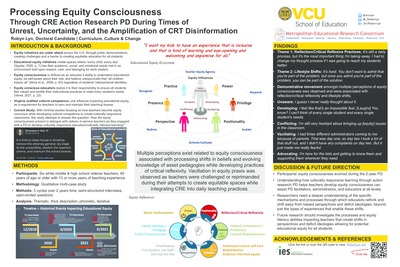
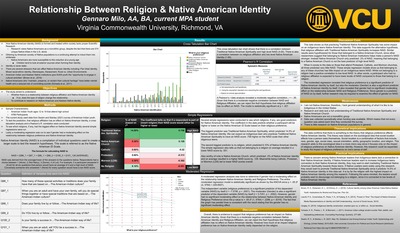

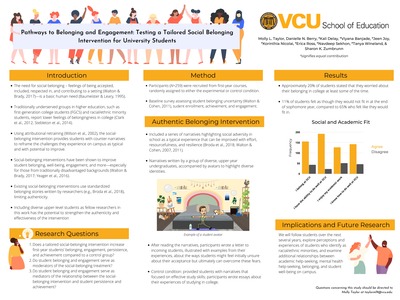

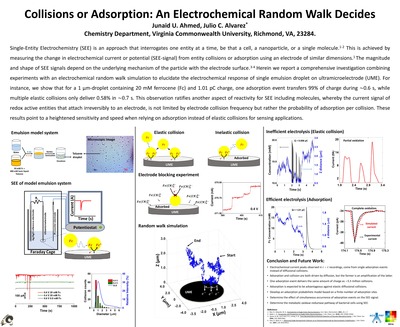






















-
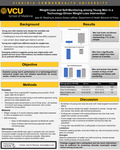
Weight Loss and Self-Monitoring among Young Men in a Technology-Driven Weight Loss Intervention
Jean M. Reading and Jessica G. LaRose
Background
Young men with obesity have double the mortality risk compared to young men with a healthy weight, but are notoriously challenging to recruit for behavioral weight loss (BWL) programs. Emerging evidence suggests that young men might prefer self-guided or low touch interventions, but limited data are available as to their effectiveness. To inform future efforts, we conducted a secondary analysis of young men’s performance in a technology-driven BWL trial developed specifically for young adults. Objectives were to: 1) examine young men’s enrollment rates; and 2) compare young men and women’s weight loss outcomes and self-regulation behaviors.
Methods
Data were drawn from an ongoing randomized controlled trial targeting young adults (18-25 years, body mass index 25-45 kg/m2) for weight loss. Participants (N=184, 60% racial / ethnic minority, BMI=33.2) were recruited using a multi-method approach and randomized to one of three arms, all of which received a 6-month technology mediated intervention with content adapted specifically for young adults. For the purposes of the present analysis, outcomes of interest included weight change at 3 months (objectively assessed in-clinic) and engagement with self-regulation behaviors (captured via Bluetooth scales and self-monitoring app). Treatment arm was included as a covariate in all outcome analyses. Descriptive statistics were computed to capture enrollment rates. GLM was used to compare men and women on percent weight change at 3-months, days of self-weighing, and days of dietary self-monitoring.
Results
Young men represented 17% of enrolled participants. At 3-months, men manifested greater weight losses compared to women (-4.8±5.1% vs. -2.5±4.1%, p=.008). Over the course of the 3-months, engagement with self-regulation behaviors was similar for men and women; men had a similar number of days of self-weighing (46.77±24.6 vs. 47.42±24.0, p=.88) and a lower number of days for tracking diet (36.87±24.3 vs. 43.42±22.6, p=.15) relative to women.
Conclusion
While enrollment was low among young men in this technology-driven BWL program, those men who enrolled lost double the weight compared to women—even though engagement with self-monitoring behaviors was similar or lower. These results suggest that a low touch and primarily self-guided weight loss program may be sufficient to produce clinically meaningful weight loss among young men. Findings are discussed in terms of implications for future work.
-
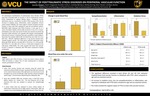
THE IMPACT OF POSTTRAUMATIC STRESS DISORDER ON PERIPHERAL VASCULAR FUNCTION
Jennifer B. Weggen, Kevin P. Decker, and Ryan S. Garten
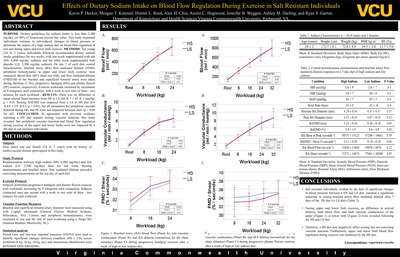
The physiological manifestations of posttraumatic stress disorder (PTSD) have been associated with an increase in risk of cardiovascular disease (CVD) independent of negative lifestyle factors. Peripheral vascular dysfunction may be a mechanism by which PTSD increases CVD risk via increases in oxidative stress, inflammation, and/or sympathetic nervous system activity. PURPOSE: This study sought to examine peripheral vascular function in those with PTSD compared to age-matched controls. METHODS: Eight individuals with PTSD (5 women, 3 men; age 22 ± 2 years), and sixteen healthy controls (CON; 10 women, 6 men, 23 ± 2 years), participated in the study. Leg vascular function was assessed via passive leg movement (PLM) technique and evaluated with Doppler ultrasonography. PLM-induced increases in leg blood flow were quantified as peak change in blood flow from baseline (ΔPeak LBF) and blood flow area under the curve (LBF AUC). RESULTS: Significant differences in leg vascular function were revealed between groups. The PTSD group reported significantly lower ΔPeak LBF (PTSD: 294.16 ± 54.16; CON: 594.78 ± 73.70 ml∙min-1; p = 0.01) and LBF AUC (PTSD: 57.23 ± 24.37; CON: 169.92 ± 29.84 ml; p = 0.02) when compared to the CON group. CONCLUSION: This study revealed that lower limb vascular function is impaired in individuals with PTSD when compared to healthy counterparts.
-

Impact of Socialization in Elderly Public-Housing Residents
Taylor M. Wilkerson, Schanea Ward, Amy Popovich, Pamela Parsons, and Faika Zanjani
Older adults who experience social isolation have higher rates of mortality relative to their counterparts. Social interactions are an important way to combat this isolation. This research aims to better understand how social isolation in older adults living in low-income households in Richmond, Virginia (RVA) is related to their economic, physical, and psychological health status. As part of the iCubed Health and Wellness Aging Core and in collaboration with the Richmond Memorial: East End Housing Coalition for Older Adults, older adults from a selected public housing unit (n=28) self-reported their financial status, experiences with physical and psycho-social health, and feelings of social isolation. Survey participants were 71.4% female, the mean age was 69.75 years, and 25% were high school graduates. Participants averaged 34 years living in the East End and reported an average of $300 to spend on rent monthly. Overall, 55% (n=20) reported having two or more supports and 61% (n=22) reported hardly ever feeling isolated. However, a small subset of the sample reported having either no supports (5.6%, n=2) and 41.7% (n=15) lacked companionship some of the time or often. A one-way ANOVA was conducted and it was determined that participants who reported feeling left out more often were significantly more likely to report stress, anxiety, and depression (F[2, 25] = 6.998). Findings support the existence of supportive communities formed in low-income areas. Findings also indicate some older individuals residing in public housing in RVA experience social isolation and that this status is linked to poorer psycho-social health.
-
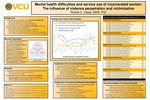
Mental health difficulties and service use of incarcerated women: The influence of violence perpetration and victimization
Rachel C. Casey
The study investigated the relationships between incarcerated women’s experiences with violence and their mental health with the goal of identifying avenues for more tailored, compassionate responses to their mental health difficulties during incarceration. To achieve this aim, a secondary data analysis was performed using data from the Survey of Inmates in State Correctional Facilities completed by the Bureau of Justice Statistics in 2004 (N=2553). Six research questions guided the inquiry, which involved univariate, bivariate, and multivariate statistical analyses, including latent class analysis—performed to identify patterns in mental health difficulties among incarcerated women—and multiple logistic regression procedures. The latent class analysis resulted in selection of a 4-class solution. The four classes presented subgroups of women with varying mental health difficulties, including the serious mental illness group, the mood and drug use disorders group, the substance use only group, and the resilient group. Women were less likely to be in the resilient mental health group and more likely to engage with a range of mental health services if they had perpetrated violence or experienced sexual or physical victimization in either childhood or adulthood. Social workers should develop and implement clinical mental health treatment in correctional centers that targets the specific co-occurring needs of incarcerated women, especially those needs related to trauma stemming from victimization and perpetration of violence. Additionally, social workers should advocate for policies and programs to prevent and remediate drug-related crime and divert women with serious mental illness away from the criminal justice system.
-
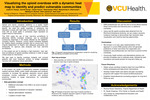
Visualizing the opioid overdose with a dynamic heat map to identify and predict vulnerable communities
Justin R. Chang, Garrett K. Wong, Chase Greco, Yadunandan Pillai, Mohammad A. Shahrezaei, Melissa H. Burton, Rob Lawrence, and Alan Dow
Background: Opioid and heroin overdose epidemic is a public health emergency in the state of Virginia. In order to prevent overdose deaths, we need the target expertise in substance use disorders to areas with high rates of overdose. In particular, an area with an acute spike in overdoses might represent an urgent need for intervention.
Aims: The CDC urges the use of near real-time surveillance to effectively identify overdose incidence, and to coordinate community responses in the states affected by the epidemic, including Virginia. However, current opioid overdose datasets for Virginia lack adequate consistency, granularity, and temporality for rigorous data analyses and near real-time surveillance.
Methods: In this project, we modeled a collaboration between emergency medical services (EMS), public health advocates and computer scientists to increase the geodata resolution around opioid overdoses; monitor outbreaks in real-time; and produce predictive models to target interventions for vulnerable communities.
Results: EMS professionals could use this tool to funnel efforts towards these communities and intervene prior to additional overdoses. Using data obtained from the Richmond Ambulance Authority, we will create a dynamic incidence heatmap to demonstrate high resolution data visualization and machine learning opportunities.
Conclusions: We envision a no-cost, easy implementation of this approach in current EMS practice which will generate predictions of when and where first responders and substance use professionals can intervene to prevent further overdoses. Community health workers and telemedicine doctors can provide immediate care to outbreak areas, followed by peer counselors and social workers for long term follow-up.
-

Healthcare Cost Savings Through Telemedicine Use At Correctional State Facilities
Sydney Davis, Paulius Mui, Tamara Broadnax, David Collins, and Vimal Mishra
Telemedicine offers both soft and hard return on investment, including cost savings avoidance and convenience of access to care. Incarcerated individuals represent a patient population that uniquely benefit from receiving care via telemedicine. They lack access to subspecialty care as prison facilities are located outside of urban areas, which is compounded by security risks, risk to individuals around inmates, and transportation cost to tertiary care facilities. To attend a brief in-office medical visit, an inmate requires hours of administrative support and logistical coordination, including appointment scheduling, transport arrangement and related fuel expense, and guard accompaniment - all at a financial cost to taxpayers. Telemedicine stands as a proven solution to decrease these costs and improve access to the care of inmates. The Virginia Commonwealth University (VCU) Office of Telemedicine has provided telemedicine visits to more than 45,000 patients over 22 years and encompasses over 15 subspecialties, which have facilitated care to incarcerated patients at 30 Department of Corrections (DOC) sites in Virginia. Cost savings analysis was performed by the VCU Office of Telemedicine for the 2016 fiscal year. The amount saved per telemedicine visit was estimated by calculating officer costs and transportation costs associated with transporting an inmate to an on-site visit. It was found that each telemedicine visit represents a cost avoidance of $800 per visit. There were 2,850 Virginia DOC telemedicine visits in the fiscal year 2016, resulting in over 2 million dollars in estimated cost savings.
-

From Invisible to Visible: Exploring Invisibility Syndrome and Coping Among African American Men
Jesha Jones and Stacey Lawson
INTRODUCTION: African American men may experience feelings of invisibility when maneuvering throughout the public education system. Encounters with alienation, discrimination, and prejudice play a major role in influencing one’s decision to remain in school or dropout. Examining the extent to which the invisibility syndrome manifests in African American men during their K-12 experiences can expand knowledge in understanding their feelings of worthlessness and insignificance in the classroom. METHOD: This research investigated the degree to which invisibility syndrome manifested in retrospective accounts in the K-12 experiences of African American collegiate men. Analysis aim to identify how coping mechanisms can assist in reducing or alleviating feelings of invisibility. RESULTS: Findings suggest that alienation was the most prevalent feeling of invisibility followed by discrimination. Emotional regulation and higher education encouragement were found to be the most frequently used coping mechanisms among the participants. CONCLUSION: Overall, findings revealed the sample of African American assumed internalized feelings of invisibility, but they possessed the psychological assets needed to overcome such a damaging emotional and psychological state of being. Implementing culturally responsive and relevant teaching practices in addition to cultivating a positive family-school-community connection can assist in promoting confidence and motivation within African American men to remain in school and persist to higher education.
-
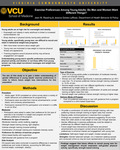
Exercise Preferences Among Young Adults: Do Men and Women Want Different Things?
Jean M. Reading and Jessica Gokee LaRose
Background
Young adult men are difficult to recruit and retain in lifestyle interventions. This may be in part to gender differences in exercise goals observed in men, but little is known about exercise preferences for young adults, specifically. The purpose of this study is to compare the exercise preferences of young men and women to inform future interventions in this area. We hypothesize that men will prefer strength training at higher rates than women, and that women will prefer supervised guidance at higher rates than men.
Methods
The sample included 288 young adults aged 18-25 (mean age=21.85, SD=2.2). Majority were women and within a normal BMI range (M=25.91, SD=5.3). An anonymous online survey study was completed. Participants were asked their preferred type of exercise (moderate intensity cardio, strength training, intense strength training, or a combination of cardio and strength training), and if they preferred to exercise at a clinic-based facility with supervised guidance or to exercise alone with guidance.Chi-square tests were conducted to determine if there are gender differences in preferences for exercise type and mode of delivery, accounting for BMI.
Results
Over two-third of young adults preferred a combination of moderate intensity cardio and strength training. Women and men differed significantly in their exercise preferences (p=< .001). Less than 1% of women preferred intense strength training compared to the 15.3% of men. Women (17.4%) preferred moderate intensity cardio at higher rates than men (12.2%). However, when examining outcomes by BMI category, these results were only significantly different among individuals within a normal BMI (p=.000). Majority of young adults (67.7%) prefer exercising with their own with guidance from a program. Men and women did not differ in their preference to exercise with guidance or in a clinic-based program with supervision (p=.115).
Conclusion
Findings suggest that young adults overall prefer a combination of strength training and cardio, conducted on their own with guidance from a program. However, young men were more likely to prefer intense strength training; this was particularly true among men in a normal BMI range. These findings may be used to inform the tailoring of recruitment messaging and lifestyle interventions targeting this high-risk population.
-
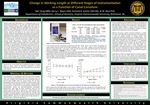
Change in Working Length at Different Stages of Instrumentation as a Function of Canal Curvature
Mei Tang, Garry L. Myers, Richard D. Archer, and Al M. Best
The aim of this study was to determine the change in working length (∆WL) before and after coronal flaring and after complete rotary instrumentation as a function of canal curvature. One mesiobuccal or mesiolingual canal from each of 43 extracted molars had coronal standardization and access performed. Once the access was completed, canal preparation was accomplished using Gates Glidden drills for coronal flaring and EndoSequence files for rotary instrumentation. WLs were obtained at 3 time points: pre-instrumentation (unflared), mid-instrumentation (flared) and post-instrumentation (concluded). Measurements were made via direct visualization (DV) and the CanalPro apex locator (EM) in triplicate by a single operator with blinding within the time points. Root curvature was measured using Schneider’s technique. The change in working length was assessed using repeated-measures ANCOVA. The direct visualization measurements were statistically larger than the electronic measurements (paired t-test difference = 0.20 mm, SE = 0.037, P < .0001), although a difference this large may not be clinically important. Overall, a greater change in working length was observed in straight canals than in curved canals, and this trend was more pronounced when measured electronically than via direct visualization, especially in the unflared-concluded time points compared with unflared-flared time points. A greater change in working length was also observed in longer canals than in shorter canals.
-
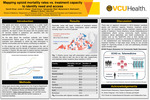
Mapping opioid mortality rates across treatment capacity to identify need and access
Garrett K. Wong, Justin R. Chang, Chase Greco, Yadunandan Pillai, Mohammad A. Shahrezaei, Melissa H. Burton, Rob Lawrence, and Alan Dow
Background: The opioid and heroin overdose epidemic is a public health emergency in the state of Virginia, resulting in the death of more than 1,100 people in 2016. In order to overcome this epidemic, we need to match the places with the greatest need for services related to substance use disorders with the appropriate healthcare workforce.
Aims: As the data about the overdose outbreak and related socioeconomic factors grow in size and complexity, data scientists have attempted to utilize big data techniques to identify communities and risk factors contributing to addiction.
Methods: Using data obtained from the Virginia Department of Health and U.S. Substance Abuse and Mental Health Services Administration, we overlaid county-level opioid mortality rates with the current locations of treatment facilities.
Results: Areas with fewer numbers of treatment centers were associated with higher overdose mortality rates.
Conclusions: There was an apparent mismatch in 2016 between overdose deaths and treatment capacity. To understand this mismatch, future directions include interprofessional collaborative efforts among community health workers, substance abuse specialists, and health professionals via models such as the TeleECHO clinic to both identify and address economic, workforce, and leadership factors implicated in the establishment and maintenance of substance abuse treatment facilities in high-need areas. Doing so can provide insight for improving access to care and addressing elevated opioid mortality rates.
-
A systematic review of weight-related communication trainings for physicians: What do we know and how can we inform future development of training programs?
Jean M. Reading, Morgan Snell, and Jessica G. LaRose
It is reported that physicians lack training to address weight-related concerns with patients. To overcome this, training programs have been implemented in medical settings to prepare physicians to have conversations with patients. However, it is unclear the degree of consistency among existing training programs and factors associated with better outcomes. The objective of this study was to systematically review the existing literature in this area to determine differences in content, outcomes, and implementation of existing studies that test weight-related communication training programs for physicians.
A systematic literature review of online databases including PubMed, PsycINFO, and Proquest was conducted with the assistance of a librarian. Search terms included: health communication, training, physician training, weight, and obesity. Studies were selected based on the following inclusion criteria: physicians are post-graduate medical doctors; trainings encompassed weight-related communication; and outcomes were tied to physician uptake of skills, knowledge, and self-efficacy, or patient-related outcomes. Two coders reviewed studies using detailed inclusion criteria. Disagreements were resolved by consensus among authors.
Half of studies assessed outcomes in both patients and physicians. Trainings including motivational interviewing (MI) assessing patient outcomes found increases in patient knowledge, satisfaction, motivation, and weight loss, respectively. Whereas, non-MI trainings assessing patient outcomes found an increase in patient weight loss, confidence and motivation, or no changes in patient outcomes.
This review was the first to examine programs aimed to teach physicians to communicate with patients about weight. Future studies should examine the effect of physician communication on BMI.
-
Developing Evidence-Based Practice in Chaplaincy: A Study of Unit and Chaplain-Specific Integration
Heber Aviles Villegas, Juanita Claiborne, Martin Garner, Neal Green, Laura Kelly, Clara Owens, and Arouna Stephen
Health care chaplains provide spiritual care across diverse hospital units. As a result of the complex and interprofessional nature of health care services, different units are associated with unique integration and collaboration needs. Effective chaplain practice and patient-centered care are enhanced by sensitivity to unit differences. Our research, aimed at quality improvement, examined unit and chaplain integration to promote unit-specific evidence-based practice. Integration was conceptualized by five dimensions: interdependence, newly created professional activities, flexibility, collective ownership of goals, reflection on process. data was collected using the Interprofessional Integration and Collaboration Instrument (Bronstein, 2002), which has appropriate measurement quality (Bainbridge et al., 2015). Addition questions captured chaplain-specific integration and methods of chaplain engagement (charting, referrals). The survey was available in electronic and paper format. Over 150 staff from 10 units participated in the 2017 convenience survey. Survey results were used to develop profiles of unit and chaplain-specific integration; of chaplain engagement; and of perceived contributions of chaplains to patient care. Demographic information was summarized to determine representativeness. The findings contribute to quality improvement and evidence-based practice by identifying how chaplains can effectively integrated within specific units. The findings are being disseminated to unit stakeholders, hospital administration, and other chaplains.
-

Are Hispanics Discriminated Against in the US Criminal Justice System?
Maria A. Eijo de Tezanos Pinto
Recent publications have contributed to increase the perception among Hispanics of an unfair and unequal treatment of this community by the US Criminal Justice System. One of the major concerns was the claim that Hispanics are incarcerated before conviction nearly twice as often as Whites. Unfair treatment perception by the population reduces legitimacy of police and government, and thus, it is imperative to analyze these uninvestigated allegations. Therefore, the purpose of this study is to address said allegations of discrimination against Hispanics and analyze with updated and reliable statistics whether Hispanics are incarcerated before conviction more often than Whites. There has been much research exploring the effects of race and ethnicity in the US criminal justice system, however most of it is focused on African Americans but not Hispanics although it is the largest and fastest growing minority in the United States. The present study is based on data collected in the Annual Survey of Jails, 2014 prepared by the Office of Justice Programs, Bureau of Justice Statistics, US Department of Justice. Starting in 2010, the Bureau of Justice Statistics improved the Annual Survey of Jails survey instruments to address certain topics, among others, the number of inmates that are unsentenced. Therefore this allows for the first time to obtain such information with reliable data and not based on a sample survey estimation. From the regression analysis of the data of this study, it resulted that the model accounted for 77% of the explanation of the relationship between the possibility of being incarcerated without conviction in a US jail and the fact of being Hispanic. However, this relationship was not statistically significant when controlling for age and gender. The Level of confidence in this study was 95%.
-

Strain Controlled Ultra-Low-Energy Magnetic Tunneling Junction
Hasnain Ahmad, Supriyo Bandyopadhyay, and Jayasimha Atulasimha
We are experimenting on designing a voltage-controlled ultra-low-energy Magnetic Tunneling Junction (MTJ) device using a soft single domain magnetostrictive layer (i.e. Galfenol: Fe1-xGax , x = 20 At%) coupled to a piezoelectric layer (i.e. PMN-PT). Special metal pads have been designed using photolithography to generate stress in the PMN-PT layer by applying electric field. The patterns of different shape anisotropic nano-magnets are designed using e-beam lithography and we have successfully fabricate FeGa nanomagnets with only 12 to 13 nanometer thickness by sputter deposition. These nanomagnets have been characterized by magnetic force microscopy for observing their switching capabilities. Several nano-magnets have shown magnetization reversal after applying stress. Magnetic domain pinning, shape irregularity, irregular edges in the pattern, strain gradients across the FeGa etc. are several factors that we are still trying to optimize. The next step will be to deposit a tunneling oxide layer and hard ferromagnetic layer to complete the MTJ. These simple strain controlled MTJs can act as non-volatile NAND and NOR gate depending on the shape anisotropy barrier of the soft ferromagnetic layer (FeGa) and are extremely energy-efficient.
-
Critical Parenting’s Role in Asthma Severity: How Does A Child's Emotional Adjustment Matter?
Nour Al Ghriwati, Marcia Winter, Robin Everhart, and Barbara Fiese
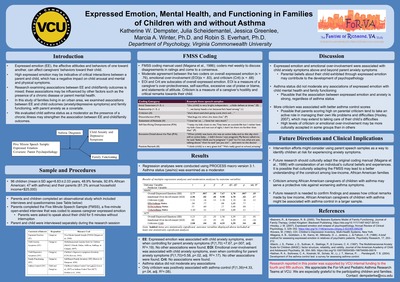
OBJECTIVE: Research shows that children with asthma are at risk for behavioral
maladjustment, particularly internalizing symptoms (McQuaid et al., 2001), and that negative parenting behavior compromises child mental and physical health (Lim et al., 2011). However, pathways of effect are not clear. This study examined the relation between critical/harsh parenting and child asthma severity. A model was tested to assess whether children’s internalizing symptoms mediate the relation between maternal rejection/harshness and asthma severity.
METHODS: 215 children with asthma (ages 5-12) and their families participated. Mothers reported child internalizing symptoms (CBCL) and functional asthma severity (CHAS); a Pediatric Pulmonologist reported lung function via spirometry results. Maternal criticism was observed in a 15-minute family activity; harsh/critical behavior was coded on a 1-5 scale.
RESULTS: We conducted bootstrapping analyses, with 5000 samples, to examine the indirect effect of maternal rejection/criticism on pulmonary functioning via child internalizing symptoms, while controlling for child age, SES, and adherence, using the PROCESS SPSS Macro (Hayes, 2013). The estimate of the indirect effect between maternal rejection/criticism and objective lung functioning was supported, with a point estimate of -.03 (SE = .02; 95% CI = -.0846 to -.0007). However, the estimate of the indirect effect between maternal rejection/criticism and subjective/parent-reported lung functioning was not supported.
CONCLUSION: Results support a theorized pathway, in which critical parenting indirectly affects a child’s lung functioning by increasing his/her internalizing symptoms (Wood et al., 2007). These findings only apply to objective physiological measures of asthma severity, perhaps suggesting a unique way that internalizing symptoms may impact lung functioning. Proposed psychological interventions include helping families understand connections between emotional and physical well-being, reducing critical parenting behavior, and treating child internalizing symptoms.
-
Twenty Years of Virginia Organizing: A Historical Analysis
Ruth Berta
Virginia Organizing is a non-profit, non-partisan statewide grassroots community organization aimed at empowering people to affect change in their communities. They celebrated their 20th anniversary in 2015 and this process evaluation identifies the unique role that the Virginia Organizing State Governing Board has had in governing the organization. It determined the historical themes from this governing body’s 20 years of meeting minutes and assessed its membership diversity over time. In attempting to answer these questions: What themes emerge from the first 20 years of Virginia Organizing State Governing Board meeting minutes? How has the diversity of the membership of the State Governing Board of Virginia Organizing changed or not changed over time and is it presently diverse?, the study used a convergent parallel design from a mixed-methods approach to interpret the two sets of data in light of each other and in comparison to the literature on non-profit governance and board diversity. The Virginia Organizing State Governing Board has a keen awareness of the importance of diversity to the organization’s success and has made strides in assuring their own diversity for 20 years. This research contributes to the literature on board diversity, community organizing, and non-profit structure and affirms Virginia Organizing for their strategic efforts to maintain diversity.
-

The Tools that Matter: Assessing Online Resources
Valeriana Colon
In the age of technology, educators are encouraged to incorporate online resources into their teaching, but the impact of these resources on learning is rarely considered. To create a foundation for assessment, this poster reviews theories and research on how students learn across oral, written, and online modes of communication. It then reviews methods of assessing various elements of online resources. Lastly, this poster suggests an implementation approach to enhance the use of resources.
-
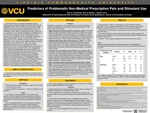
Predictors of problematic non-medical prescription pain and stimulant use
Tess K. Drazdowski and Wendy Kliewer
Recent results from a nationally representative sample indicated that young adults exhibited the greatest illicit drug use (SAMHSA, 2013b). The non-medical use of prescription drugs (NMUPD) is the second most commonly reported form of illicit substance use by young adults, preceded only by marijuana (SAMHSA, 2013b). This is a growing public health concern with an estimated 2.4 million Americans engaged in NUMPD for the first time within the past year in 2010, an average of 6,600 initiates per day (SAMHSA, 2013b). Prescription opioid abuse alone was estimated to cost the U.S. $55.7 billion in 2007 (Birnbaum et al., 2011). NMUPD has been linked with abuse and dependence, and a variety of other negative outcomes, including mental illness, (e.g., Bavarian et al., 2013), poor school performance (Arria et al., 2011), emergency room visits (SAMHSA, 2013a, 2013b), more frequent sexual risk behaviors (Benotsch et al., 2011), and death (CDC, 2012; Paulozzi et al., 2012). Additionally, young adults who engage in NMUPD are significantly more likely than their peers to use other illicit drugs and to combine prescription drugs with alcohol and other substances. These practices increase the risk of potentially dangerous drug interactions, and their negative outcomes (Garnier et al., 2009; McCabe et al., 2006; SAMHSA, 2006). Therefore, prevention is key to reducing this great public health concern and its grave costs to society. One way to prevent substance use and abuse is to investigate why specific groups of people use and to target interventions specifically to modifiable predictors. The current study focuses on such potential predictors.
The sample included 193 undergraduate students (70.4% female) from diverse ethnic groups (55% White) attending a large public university who endorsed NMUPD of either pain or stimulant medications in the past year. Participants completed an online questionnaire that assessed their ratings of their problematic NMUPD use, sleep problems, emotion regulation difficulties, depressive symptoms, and post-traumatic stress disorder (PTSD) symptoms from reliable and valid measures. Using regression models run separately for users of pain and stimulant medications, emotion regulation difficulties and PTSD symptoms were found to predict non-medical problematic use of both pain and stimulant medications (betas ranged from .22 - .32, ps < .05). Sleep problems and depressive symptoms were found to only predict problematic use of stimulants (betas = .33, ps < .01). When all the significant predictors were entered into a multiple regression for each prescription category, no one predictor was significant above and beyond other predictors (see Table 1). However, PTSD symptoms explained the most variance in both models.
These results suggest that all of these predictors are important to consider when investigating NMUPD in young adults. Since results from treatment research investigating abuse of other substances have found that integrated approaches that combine mental health and substance use are more effective than interventions that address substance use and mental health problems separately (e.g., Drake et al., 2008), future prevention and intervention efforts should consider all of the variables investigated. If resources are limited targeting PTSD symptoms may be the most effective.
-
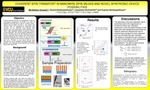
COHERENT SPIN TRANSPORT IN NANOWIRE SPIN VALVES AND NOVEL SPINTRONIC DEVICE POSSIBILITIES
Md Iftekhar I. Hossain, Supriyo Bandyopadhyay, Jayasimha Atulasimha, and Saumil Bandyopadhyay
We have proposed a spintronic infrared photodetector backed by experimental evidence and matched with theoretical prediction obtained in our labs. Unlike conventional photodetectors, it can work at room temperature with ideally infinite light-to-dark contrast ratio, infinite detectivity and zero dark current. The proposed idea is based on smart implementation of spin polarized transport. Electrons while travelling through one-dimensional channel show long spin relaxation length if they can be confined to a single conduction subband because of the elimination of major spin relaxation mechanism, namely the D’yakonov-Perel’ mechanism. With infrared light, electrons can be excited to higher subbands, resulting in the revival of DP mechanism which shortens the spin relaxation length. A noticeable change in current in a nanowire spin-valve (a semiconductor nanowire with two ferromagnetic contacts) can be observed due to this shortening and this phenomenon can be manipulated to implement infrared photo-detection. An array of tri-layer nanowires have been fabricated using electrodeposition where a narrow band semiconductor InSb has been sandwiched between two ferromagnetic contacts, Cobalt and Nickel. The two magnetic contacts act as spin injector and detector, where in the InSb layer, spin polarization is modulated using infrared light. The spin-valve effect and the Hanle effect have been demonstrated in these structures, which gives the confidence that the proposed device is indeed capable of injecting, coherently transporting and detecting spin of the electrons at room temperature even in the presence of thermal drift, background magnetoresistance, low spin injection and detection efficiency. When the same experiment was done under the infrared light, spin-valve effect was still there but muted, which means, infrared light is responsible weakening the spin polarization of carriers in the InSb layer. With choice of other materials, which show better spin injection and detection efficiency, the detectivity and sensitivity can be made more prominent.
-
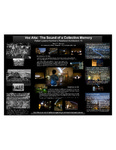
Voz Alta: The Sound of a Collective Memory
Sarah E. Kleinman
Voz Alta is a participatory, voice-activated public light installation designed by Rafael Lozano-Hemmer as a memorial for the Tlatelolco massacre, which occurred on October 2, 1968 in the Plaza de las Tres Culturas in Tlatelolco, Mexico. In the Plaza, Lozano-Hemmer has synchronized a megaphone with a 10 kW Xenon robotic searchlight. As each participant speaks into the megaphone, the searchlight shines to the uppermost floor of the towering Centro Cultural Tlatelolco (CCT) building where three additional searchlights instantaneously strobe, dim, and brighten, illuminating the nocturnal landscape in horizontally fixed, tangential beams. Although the aesthetic, social, historical, and political aspects of Voz Alta have been discussed extensively in existing scholarship, the role of sound as a mechanism for power, control, and disruption has been sparsely addressed. This paper examines the metaphorical and literal manifestations of sound in Voz Alta and build upon Diana Sorenson’s discussion of the literary and verbal insurgencies that emerged after the massacre, as well as Michael Soldatenko’s analysis of the “oppositional imaginary,” which was catalyzed by the public in the informational vacuum imposed by the ruling Partido Revolucionario Institucional (PRI) regime. By incorporating the memory of a charged national event into spaces already imbued with meaning, Voz Alta operates on multiple levels, deliberately exceeding the parameters of artistic practice and becoming a platform for social activism. The paper’s aim is to achieve consensus on what Voz Alta achieves for its participants; its correlation and activation of memory associated with the massacre; and its potential to supplement the incomplete history that haunts the contemporary Mexican state.
-

“Rip It!”: A Juxtapositional and Critical Discourse Analysis of Gender Violence in 3 Tyler Perry Films
Avina Ross
This qualitative study uses juxtapositional, intersectional and critical discourse analyses as one composite framework to assess Black female victimness and matriarchy in three Tyler Perry films. Findings exposed a transitional archetype model consisting of 5 domains (Victim, Bitterfruit, Matriarch, Forgiver and Princess) whereby victimized characters are portrayed using racist and sexist stereotypes. Additionally, rich juxtapositions in the films with regard to Black female victimness and matriarchy were also revealed. These juxtapositions play out in the transitional archetype model and reiterate a harmful racist gendered stereotype: strong, Black women (matriarchs) are not and cannot, by way of their strength, aggressiveness and violent dispositions be legitimate victims. This major finding, in addition to other findings based on the model and juxtapositional discourse analysis, expose important implications for social work practice, education and future scholarship.
-
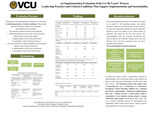
An Implementation Evaluation of the Let Me Learn® Process: Leadership Practices and Cultural Conditions That Support Implementation and Sustainability
Lisa Webb, Anna Hebb, and Sarah Morris
In the 20 years since its development, the Let Me Learn Process® has been implemented in over 75 grade pre-Kindergarten through 12 schools in the United States. The Let Me Learn Process® is based on research in the field of neuroscience which explores the interface between the brain and the mind as it relates to learning (Bruer, 1997; Johnston, 2013). Throughout the twenty-year history of implementation, however, there has been no established approach to achieving implementation and sustainability of the Let Me Learn Process®. The client for this implementation evaluation was interested in better understanding the cultural conditions and leadership practices of those schools districts in which the Let Me Learn Process® has been implemented and sustained in order to formalize an implementation process. The methodology, a mixed-methods, convergent evaluation design, was used for data collection and analysis. Data was collected through interviews with school leaders and teachers, document review, and the administration of the School Cultural Elements Questionnaire (Cavanaugh and Dellar, 1998). These results were analyzed and then the evaluators reported on the extent to which they were related, divergent, and whether or not they could be combined to create a deeper understanding of the evaluation purpose. Finally, recommendations were made to the client in response to the evaluation purpose.
-
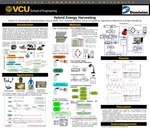
Hybrid Energy Harvesting
Nazanin R. Ghavamabadi
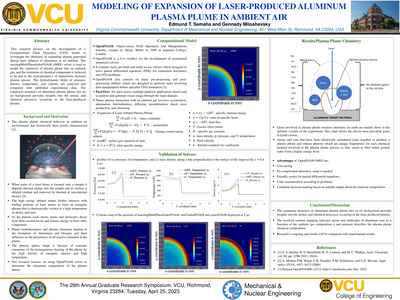
Between 20% to 50% of industrial energy input is lost as waste heat in the form of hot exhaust gases, cooling water and energy loss from generating equipment. Vibrations and variable heating are a common form of waste energy in motors, generators, power cables exposed to ambient temperatures, fuel exhausts from vehicles, and various types of heavy machinery. The recovery of even a fraction of this lost energy would have a transformational impact on the utility industry since the demand for energy is increasing and the impact of this demand on the environment is significant. Recent technical breakthroughs in new composite materials and energy storage devices make waste energy harvesting a practical alternative energy source. An energy harvesting system or harvester consists of a material such as a piezoelectric or pyroelectric composite to convert wasted heat or kinetic energy into electricity and the electronics and components for voltage conversion and energy storage.
In the current research we investigate and develop hybrid piezoelectric and pyroelectric systems to harvest waste energy. For this reason, six different experimental set up have been prepared to maximize the harvested energy for the hybrid case. Based on this work we provide a comprehensive review of the opportunities, potential scalability and practical limitations of energy harvesters as a new and potentially transformational alternative energy source. So, the wide-scale incorporation of energy harvesting systems to recover wasted heat and kinetic energy could have a dramatic impact on energy and environmental conservation efforts.
-
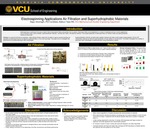
Electrospinning Applications Air Filtration and Superhydrophobic Materials
Negar Ghochaghi and Adetoun Taiwo
Electrospinning is a widely applicable technique that generates non-woven fibers in the micro and nano range. In this project two of its applications are highlighted namely filtration media and enhancement of wettability. The first project demonstrates that electrospinning can be used to produce new fiber filtration media with controlled microstructure. The bimodal and unimodal orthogonal and random filters were made and characterized against their filtration efficiency and pressure drop. Figure of Merit (FOM) was also calculated and discussed. It is shown that the FOM increases when the electrospun fibers are arranged into alternating layers of aligned course and fine fibers.
Secondly, surfaces were prepared by electrospinning thin, aligned polystyrene fibers onto a piezoelectric unimorph substrate. Results showed electric field induced changes in substrate curvature, which produced corresponding changes in surface wettability. From experiments, an average change in water contact angle of 7.2° ± 1.2° with 90% confidence was observed in ~2μm diameter fiber coatings electrospun for 5 minutes with applied electric field. In addition, fiber coatings electrospun with equivalent deposition showed average electric field induced changes in WCA of 2.5° ± 0.92° for lower diameter fibers (~1μm) and 3.5° ± 1.37° for higher diameter fibers (~2μm) with 90% confidence.