



Every spring the Graduate School Association sponsors a research symposium to present graduate research work to the VCU and local Richmond community. The event is an excellent opportunity for graduate students to present their original research and creative projects in a professional but relaxed environment. This is the only opportunity for many graduate students to showcase their work at VCU. Participation in this event has nearly doubled every year and attracts not only VCU students and faculty, but local media, legislators, and respected members of the Richmond business community.







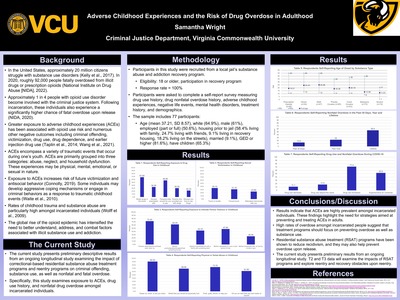
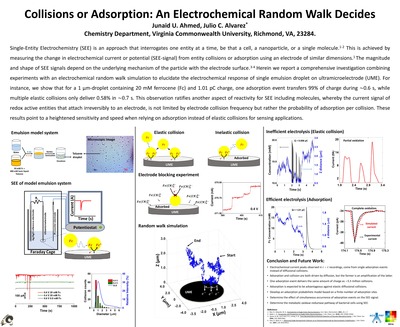
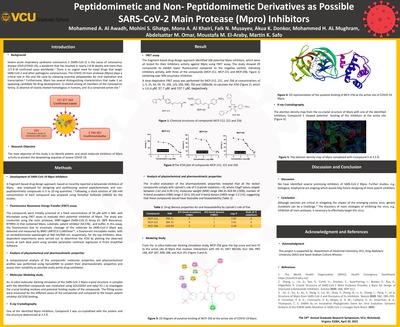
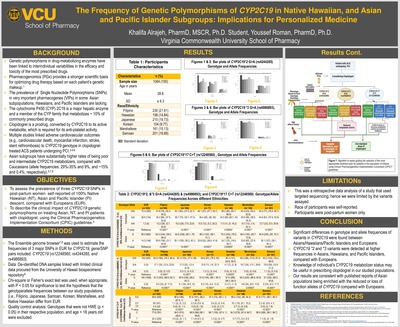
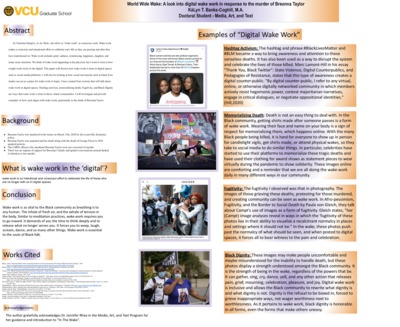
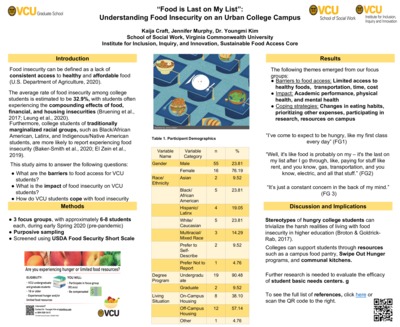

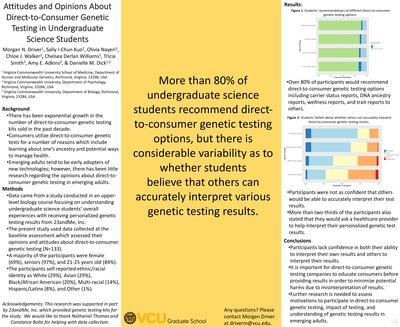
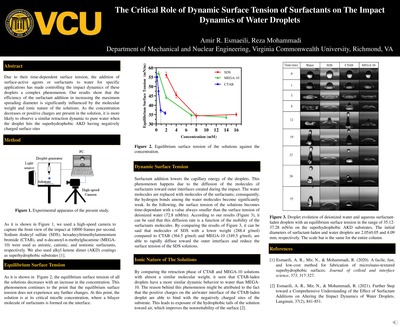











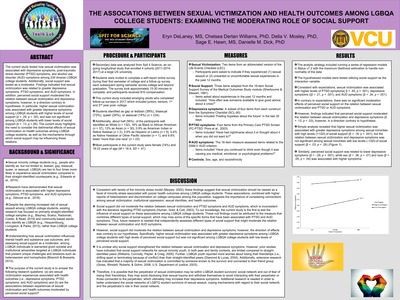


-
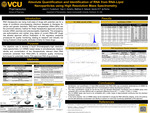
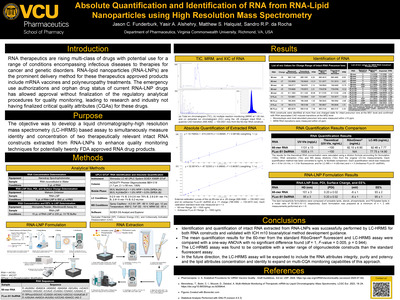
Absolute Quantification and Identification of RNA from RNA-Lipid Nanoparticles using High Resolution Mass Spectrometry
Jason C. Funderburk, Yasir A. Alshehry, Matthew S. Halquist PhD, and Sandro R.P. da Rocha PhD
Background
RNA therapeutics are a rising drug category with potential use for a range of conditions encompassing infectious diseases to therapies for cancer, diseases, and genetic disorders. RNA-lipid nanoparticles (RNA-LNPs) are the prominent delivery method for these therapeutics approved products include mRNA vaccines and polyneuropathy treatments. The emergency use authorizations and orphan drug status of current RNA-LNP drugs has allowed approval without finalization of the regulatory analytical procedures for quality monitoring. The objective of the study was to develop an LC-MS assay to simultaneously measure identity and concentration of two therapeutically relevant intact RNA constructs extracted from RNA-LNPs to enhance quality monitoring techniques for potentially 20 approved RNA-based drugs.
Methods
FLuc dsiRNA (57 bp) and custom ssRNA (60bp) constructs were formulated in LNPs at an N/P ratio of 6. RNA-LNPs were assessed for RNA concentration and encapsulation efficiency (%EE) using the Quant-iT™ RiboGreen™ assay and LNP size and polydispersity (PDI) with dynamic light scattering. RNA was extracted with isopropanol precipitation and diluted 100x for LC-MS characterization. Absolute quantification and identification of RNA was performed with an X500R LC-QToF.
Results
The RNA-LNPs had a hydrodynamic diameter, PDI, and %EE within the target profile. The ssRNA had a measured concentration of 92.10 ± 6.90 ng/mL by fluorescence and 92.46 ± 7.77 ng/mL by LC-MS. The measured dsiRNA concentration was 77.75 ± 14.90 ng/mL, both RNA constructs were identified by LC-MS.
Conclusions
Absolute quantification and identification of both RNA constructs was successfully performed by LC-MS and validated using ICH M10 bioanalytical guidelines.
-

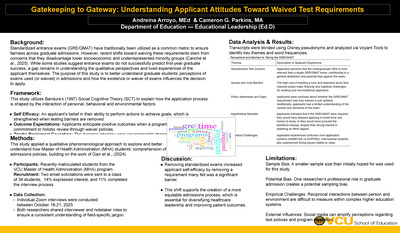
Gatekeeping to Gateway: Understanding Applicant Attitudes Toward Waived Test Requirements
Cameron Parkins and Andreina Arroryo
Background: Graduate admissions have long relied on standardized tests despite evidence that these exams can disadvantage applicants from lower socioeconomic backgrounds, underrepresented groups, and nontraditional pathways. During the COVID‑19 pandemic, many programs waived or eliminated these requirements, yet little is known about how applicants interpreted these changes. Understanding applicant attitudes is crucial to determining whether test‑optional policies reduce barriers or introduce new concerns about fairness and quality. This study explored the perceptions, feelings, and decision‑making experiences of applicants to VCU’s MHA program during a period of waived test requirements. Our research question was: To what extent did the waiver or removal of GRE/GMAT requirements reduce perceived financial, psychological, or systemic barriers for recently admitted VCU MHA students, and how did this influence their decision to apply?
Methods: Using a phenomenological approach informed by Social Cognitive Theory, researchers conducted individual interviews with four first‑year MHA students. Interview transcripts were coded thematically to identify common patterns related to awareness of test policies, perceived barriers, and anticipated impacts if exams had been required.
Results: Participants described limited familiarity with graduate entrance exams and viewed test requirements as costly, time‑intensive, and burdensome. They believed that GPA and professional experience more accurately reflected readiness for graduate study. Participants indicated that mandatory testing would have delayed their application—and in some cases deterred them entirely.
Conclusion: As graduate programs reconsider admissions requirements, this study highlights how reinstating test scores may narrow applicant pools, particularly affecting students from lower socioeconomic backgrounds and international applicants.
-

Seeing the Whole Child: Bridging Community Beliefs and Early Intervention
Grace Danladi Saleh
Background
The first five years of a child’s life are a very important time. What happens during these early years has a big effect on how the child grows, learns to communicate, and relates to others. When caregivers respond warmly and consistently, children tend to do better later on. However, most screening tools used to spot developmental concerns are based mainly on Western ideas of what is normal. These tools often don’t match what many families from different backgrounds believe about child growth, behavior, or communication. As a result, children from diverse communities can be missed or identified too late.
Methods
This narrative literature review brings together studies and ideas about how cultural beliefs affect the way people notice and refer developmental concerns in children from birth to age five. It is organized around Super and Harkness’s (1986) Developmental Niche framework and draws from a range of reliable research and policy sources.
Results
The review shows that cultural beliefs play a major role in what caregivers and teachers see as normal development. Many families place high value on social harmony, cooperation, respect, and being part of the family group. In contrast, standard tools tend to focus more on independence, speaking up early, and acting on one’s own. When these views don’t line up, children can be misunderstood, referred late, or not referred at all.
Conclusions
To improve early identification, we need to work closely with families and bring community knowledge into the process. Tools that have been adapted with input from the community like those used in South Africa and Aboriginal communities in Australia (Botes et al., 2023; Reid et al., 2022) help make screening more relevant and encourage families to participate more fully.
-

Reconstructing The Medieval Palette: Making Paints and Inks Using Medieval Recipes
Cael Sinclair
When considering the medieval period, most people imagine brilliantly painted and gilded manuscripts but not many people actually imagine the labor behind making those manuscripts. Similarly, modern perception of a scribe tends to be a single, solitary person slaving away at the entire manuscript. Contrary to these beliefs, the process of producing a manuscript was a highly collaborative and, more importantly, highly documented process. Throughout the period, numerous treatises (or handbooks) were created documenting instructions and advice for making ink and paint, for drawing and painting, and everything in between. While it is possible for one to just read these manuscripts, a much deeper understanding of them can be gained by actually following the instructions. Over the course of a year and ongoing, the researcher has selected instructions from several treatises and followed them, producing a variety of historical materials including a range of paints, pigments, and inks. The present study seeks to display these materials and the knowledge that can be learned about these unique manuscripts via the application of hands-on research as a framework
-
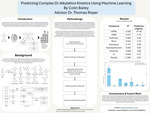
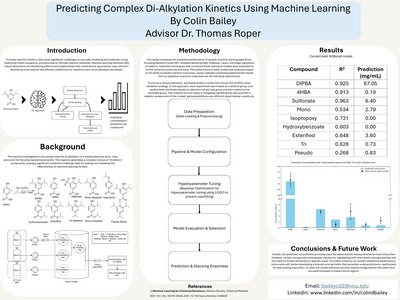
Predicting Complex Di-Alkylation Kinetics Using Machine Learning
Colin Bailey and Thomas Roper
Background: Predicting reaction kinetics for complex chemical systems often presents significant challenges due to intricate reaction pathways, multiple product formations, and competing side reactions. Additionally, the transient nature of reaction intermediates and limited experimental data complicate efforts to capture system dynamics accurately. These complexities necessitate advanced modeling approaches and precise experimental techniques to reliably describe and predict chemical behavior.
Methods: This work investigates the kinetics of di-alkylation of 4-Hydroxybenzoic Acid (4-HBA) using multiple machine learning algorithms, including Random Forest Regression, Gradient Boosting, Lasso, Ridge, and XGBoost. By leveraging reaction conditions, such as temperature, sulfuric acid equivalents, and initial concentrations of reactants, the developed models accurately predict concentrations for various reaction species.
Results: The predictions demonstrate good correlations with experimental results, achieving high accuracy with R² values for some compounds. Hyperparameter optimization was systematically performed using Bayesian optimization methods and validated through Leave-One-Group-Out (LOGO) cross-validation to mitigate the risk of overfitting.
Conclusions: Future work includes changing the scoring method from R² to RMSE, MAE, or a custom scorer to assess if enhanced real-world model prediction performance can be achieved.
-
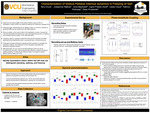
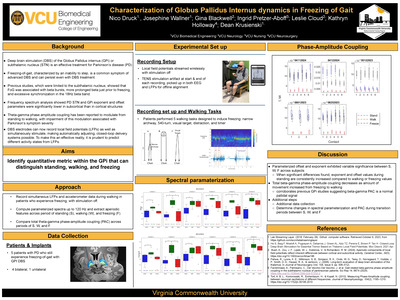
Globus Pallidus Internus dynamics during Freezing of Gait
Nicholas Druck, Dean J. Krusienski, and Josephine Wallner
Background: Parkinson’s disease (PD) is a progressive neurodegenerative disorder affecting ~1 in 1000 individuals over age 45. Freezing of Gait (FOG), a debilitating symptom in late-stage PD, affects up to 63% of patients and contributes to falls and reduced quality of life. While deep brain stimulation (DBS) of the subthalamic nucleus (STN) helps some symptoms, FOG remains difficult to treat. Given the complexity of basal ganglia circuitry, the role of related basal ganglia nuclei, such as the Globus Pallidus internus (GPi), in FOG deserves further investigation.
Methods: Five PD patients with FOG, implanted with Medtronic Percept DBS systems (sampling at 250 Hz), completed obstacle courses designed to elicit FOG (e.g., path obstruction, turns). Local field potentials (LFPs) from GPi were recorded during standing, walking, and freezing episodes. Ankle accelerometers captured gait data. LFPs were analyzed spectral parameterization from 1-125 Hz. Beta-Gamma Phase-Amplitude Coupling (PAC) was evaluated using beta (12–35 Hz) phase and gamma (40–95 Hz) amplitude bands.
Results: Spectral analysis showed increased exponent and offset values during standing, suggesting enhanced local inhibition in GPi. GPi PAC was highest during standing, lowest during walking, and intermediate during freezing; suggesting PAC is a normal pallidal response. This contrasts with the STN, where PAC is pathologically elevated during freezing.
Conclusions: These results support a spatial dissociation in PAC dynamics between GPi and STN during FOG. GPi PAC during freezing may reflect compensatory processing rather than pathology. Future work should explore GPi’s role in modulating FOG-related motor control.
-
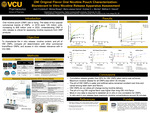
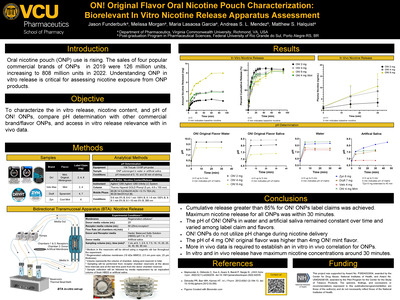
ON! Original Flavor Oral Nicotine Pouch Characterization: Biorelevant In Vitro Nicotine Release Apparatus Assessment
Jason C. Funderburk, Melissa Morgan, Maria Lasaosa Garcia, Andreas S. L. Mendez, and Matthew S. Halquist
Background: Oral nicotine pouch (ONP) use is rising. The sales of ONPs in 2019 were 126 million units, increasing to 808 million units in 2022. Understanding ONP in vitro release is critical for assessing exposure to ONP products.
Methods: The commercial brand ON! ONPs with nicotine label claims of 2, 4, and 8 mg, were evaluated in vitro for cumulative nicotine release using the bidirectional transmucosal apparatus (BTA) for 90 minutes. Nicotine quantification was performed by HPLC-PDA. For pH determination, ONP samples were prepared in water or artificial saliva (pH 6.8) with measurements for 30 minutes. BTA results were compared to ON! ONP in vivo data to access relevance.
Results: The cumulative release across all ON! ONP nicotine concentrations were greater than 85% and maximum release occurred within 30 minutes. The pH of ON! original flavor ONPs in water was 8.4 to 9.4. The pH in artificial saliva was 7.3 to 8.5. The pH remained constant over sampling time. The 8 mg ON! ONPs were found to have a lower pH than 2 and 4 mg. The 4mg ON! original ONPs had a higher pH than 4 mg ON! mint. The BTA and in vivo data both showed maximum nicotine concentrations around 30 minutes.
Conclusion: In vitro nicotine release was acceptable under United States Pharmacopeia guidelines. ON! ONPs do not utilize pH change during nicotine delivery and pH is influenced by flavor. More in vivo data is required to establish an in vitro in vivo correlation for ONPs.
-

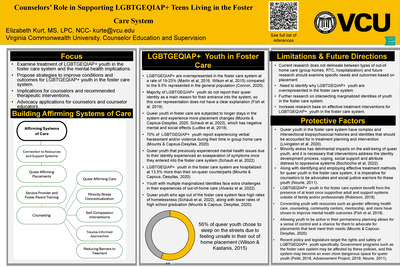
Counselors’ Role in Supporting LGBTGEQIAP+ Teens Living in the Foster Care System
Elizabeth K. Kurt
Background: Queer youth in the United States are overrepresented and simultaneously unseen in the foster care system. They experience more negative mental health outcomes than their non-queer peers, and the child welfare system does not always provide safe or affirming care for these marginalized youth. LGBTGEQIAP+ teens are placed in congregate care at high rates and face a myriad of challenges in these settings that exasperate existing mental health concerns. This poster examines the injustices of out-of-home care and the maltreatment that gender and sexual minority youth experience in the foster care system, as well as exploring factors that improve outcomes. Strategies for counselors to effectively to work with youth in this population are highlighted, including affirming care, self-compassion, and trauma-informed perspectives.
Methods: Researchers conducted a systematic literature review to assess for current outcomes, protective factors and effective treatment implementation for this population.
Results: The literature review resulted in two main foci for improving the mental outcomes of LGBTGEQIAP+ youth in the foster care system, building affirming systems of care and effective mental health treatment. Strategies for building affirming systems include connection to resources, queer affirming placements and comprehensive training for service providers. Effective mental health treatments include affirming care practices, self-compassion and trauma-informed care.
Conclusions: To improve the mental health outcomes for these youth, implementation of affirming care strategies whenever possible and systemic reform is called for. As mental health professionals, it is imperative to recognize the needs of these vulnerable adolescents and respond appropriately.
-
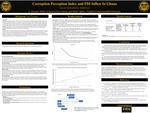
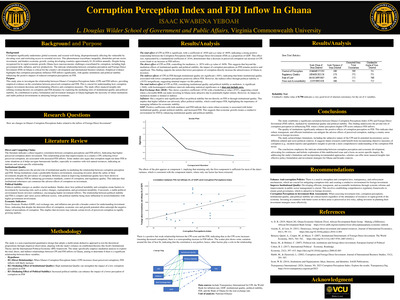
Corruption and Foreign Direct Investment in Ghana: Empirical Assessment of the Mediating Role of Institutional Quality and Political Stability
Isaac K. Yeboah
Background: Foreign Direct Investment (FDI) provides more than just capital; it introduces technology and managerial expertise, contributing significantly to economic growth. However, corruption, measured by the Corruption Perceptions Index (CPI), deters inflows. This study examines how Ghana’s CPI relates to FDI, with institutional quality and political stability as mediators accounting for GDP, inflation, and exchange rates as covariates.
Methods: A non-experimental quantitative design that adopts a multivariate deductive approach is used to test the theoretical propositions, and uses data from 1995 to 2022. CPI data are sourced from Transparency International, FDI from the IMF, and institutional quality and political stability from the Worldwide Governance Indicators. Covariates (GDP, inflation, real exchange rate) are sourced from the World Bank. The study employed the PROCESS Procedure by Andrew F. Hayes' mediation analysis to estimate the coefficient of the total, direct, and indirect relationship between CPI and FDI, testing hypotheses via Scott’s Institutional Theory and International Political Economy frameworks. Assumptions of linearity, normality, and homoscedasticity were verified.
Results: Improvements in CPI significantly increase FDI inflows (total effect: coeff = .4920, p = .0059), whereas institutional quality strongly mediates this relationship (indirect effect: .1691, significant), enhancing FDI by fostering a stable investment climate. While GDP positively influences FDI, Political stability’s mediating role is minimal (indirect effect: .0155, insignificant).
Conclusions: Addressing corruption boosts FDI in Ghana, with institutional quality as a key mediator over political stability. Policymakers should prioritize institutional reforms and macroeconomic stability to attract investment. Future research should explore qualitative dimensions and comparative analyses to deepen understanding.
-
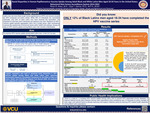
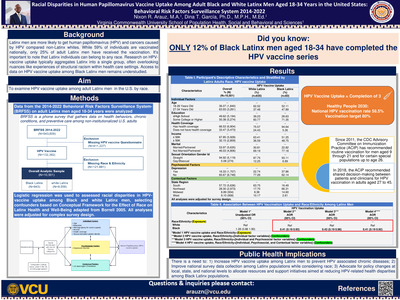
Racial Disparities in HPV Vaccine Uptake Among Adult Black and white Latinx Cisgender Men in the United States: Behavioral Risk Factors Surveillance System 2014-2022
Nixon R. Arauz, M.A. and Dina T. Garcia, Ph.D., M.P.H., M.Ed.
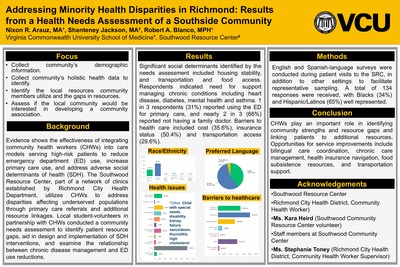
Background: Latinx men are more likely to get human papillomavirus (HPV) and cancers caused by HPV compared non-Latinx whites. Despite a national vaccination rate of 59%, only 25% of adult Latinx men are vaccinated. Notably, Latinx individuals can belong to any race. Existing research often overlooks nuances like experiences with structural racism in healthcare settings when examining HPV vaccine uptake among Latinx individuals. This study addresses this gap by investigating HPV vaccination factors among Latinx adults, with a focus on racial disparities.
Methods: Using data from the 2014-2022 Behavioral Risk Factors Surveillance System, this study examined HPV vaccine uptake among Black or white Latinx cisgender men aged 18-34 years-old who reported receiving three vaccine doses. Logistic regressions assessed racial disparities in HPV vaccine uptake among Black and white Latinx cisgender men, adjusting for complex survey design.
Results: Overall, among Latinx individuals, 6.84% (N=718) completed the HPV vaccine series, only 12% being Black Latinx. Weighted multivariate logistic regression analysis revealed significant odds for Black Latinx men compared to their white Latinx counterparts after adjusting for individual-level confounders (AOR: 0.41, 95% CI: 0.18-0.93), individual and psychosocial-level confounders (AOR: 0.43, 95% CI: 0.19-0.98), and all including contextual-level confounders (AOR: 0.41, 95% CI: 0.19-0.92). This indicates that Black Latinx are 0.41, 0.43, and 0.41 times (respectively) less likely than white Latinx men to complete the HPV vaccination series.
Conclusion: Further research is needed to understand the health experiences of Black Latinx individuals in the United States. This study underscores the importance of examining HPV uptake in this population to prevent associated chronic diseases.
-

Exploring factors that influence prosthetic attention in upper and lower limb prosthesis users
Tanu Bhargava, Cody L. McDonald, Elizabeth G. Halsne, Brian J. Hafner, and Benjamin J. Darter
Background: Prosthetic limbs often lack the innate control and sensory feedback capabilities of natural limbs, requiring more cognitive effort or attention during motor tasks. While a conceptual model of prosthetic attention exists for lower limb (LL) users, its applicability to upper limb (UL) remains unclear. This study aimed to explore how LL and UL users experience prosthetic attention, and explore factors that influence the existing model.
Methods: Twenty five UL users and thirty LL users with at or above wrist or ankle-level limb loss participated. Focus groups (FG), guided by open-ended questions, delved into user’s lived experiences with prosthetic attention. Qualitative analysis identified situations and activities requiring attention to the prosthesis.
Results: Findings from 11 FGs were attention-driving stimuli, individual factors (modifiable and unmodifiable) that influence attention, and consequences of paying attention to the prosthesis for both LL and UL users. LL users cited terrain and space constraints, while UL users mentioned type of tasks (fine or gross motor, unimanual or bimanual) as reasons for attention. Both groups noted modifiable individual factors like self-image and self-efficacy, alongside unmodifiable demographic factors such as level of limb loss. LL group prioritized fall prevention as a desired result of attention, whereas UL group emphasized avoiding damaging objects or spilling.
Conclusion: The initial framework seems applicable to both UL and LL groups, revealing similarities in individual factors affecting prosthetic attention. However, differences emerged regarding attention stimuli and outcomes. Understanding heightened cognitive demands can aid clinicians in devising targeted rehabilitation plans to enhance prosthetic utilization.
-
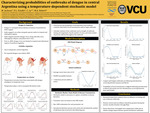
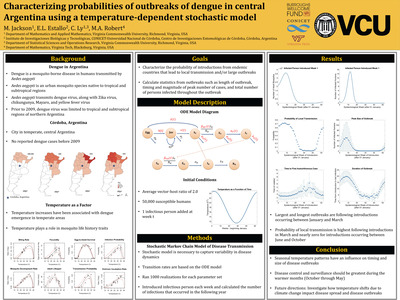
Characterizing Probabilities of Outbreaks of Dengue in Central Argentina using a Temperature-Dependent Stochastic Model
Morgan H. Jackson, Elizabet L. Estallo, Cheng Ly, and Michael A. Robert
Dengue virus (DENV) causes over 390 million infections and around 40,000 deaths worldwide each year. DENV is primarily transmitted by the mosquito Aedes aegypti, and both the life cycle of these mosquitoes and dengue transmission are significantly impacted by temperature. In the temperate region of Central Argentina, where dengue outbreaks first began in 2009, outbreaks of dengue can only occur due to new introductions of DENV from other regions. Due to the relationships between temperature and dengue, the risk of outbreak changes throughout the year.
We develop a stochastic model including temperature-dependent mosquito life history traits and transmission-related parameters. We calculate the next-generation matrix to estimate the temperature dependent reproduction number (R0). We fit the model to climate and dengue case data collected in Córdoba, Argentina from the 2016 outbreak. We numerically solve the model and calculate epidemiologically relevant metrics.
We characterize how the timing of introduction of an infected person from endemic countries affects the probability of autochthonous transmission. We also characterize the percent of introductions that lead to large outbreaks. For outbreaks that occur, we also calculate length of outbreak, timing and magnitude of peak number of cases, and total number of persons infected throughout the outbreak. We also investigate how climate change may affect these outbreak statistics.
We discuss these results in the context of improving mosquito population and dengue epidemiological models and improving methods to include seasonal temperature in mechanistic-stochastic models.
-
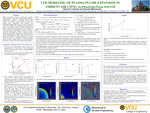
CFD MODELING OF PLASMA PLUME EXPANSION IN AMBIENT AIR USING twoPhaseEulerFoam SOLVER
Edmund Tsiri Semaha and Edmund Tsiri Semaha
The dynamics of laser-produced plasma plume expansion involves complex interactions between the ablated material and ambient air. This study investigates and compares the performance of three OpenFOAM solvers, namely twoPhaseEulerFoam (tPEF), rhoCentralFoam (rCF), and sonicFoam (sF) using an identical initial setup of geometry and parameters. The primary objective of this study is to affirm the applicability and reliability of the tPEF solver in modeling the laser-produced plasmas for multispecies cases. The focus is on the evaluating the tPEF solver’s ability to simulate plasma plume dynamics under atmospheric air pressure. Propagation of plasma shockwave, mesh generation, initial and boundary conditions, and hydrodynamics of single- and multi-phase equations are analyzed. Critical flow variables, such as pressure, velocity, temperature, and density, were monitored spatially and temporally to evaluate the solver performance. The simulation results demonstrate that tPEF produces stable and reliable results that align with physical expectations and previously published data. It was found to be particularly effective in capturing the plume’s hydrodynamic features, including multi-species behavior and interaction with the ambient environment. The findings affirm applicability of tPEF for modeling laser-induced plasma plumes, especially in capturing complex fluid dynamics and species evolution. This study will provide computational foundations essential for specific engineering applications involving pulsed laser ablation of multi-component materials.
-
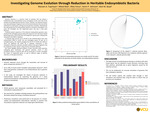
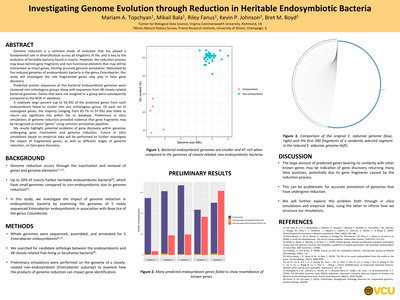
Investigating Genome Evolution Through Reduction in Heritable Endosymbiotic Bacteria
Mariam Topchyan, Mikail Bala, Riley Fanus, Kevin P. Johnson, and Bret M. Boyd
Background: Genome reduction is a common mode of evolution that has played a fundamental role in diversification across all kingdoms of life, and is key to the evolution of heritable bacteria found in insects. However, the reduction process may leave behind gene fragments and non-functional elements that may still be interpreted as intact genes, limiting accurate genome annotation. Motivated by five highly reduced genomes of endosymbiotic bacteria in the genus Enterobacter, this study will investigate the role fragmented genes may play in false gene discovery.
Methods: Predicted protein sequences of five bacterial endosymbiont genomes were clustered into orthologous groups along with sequences from 48 closely-related bacterial genomes. Genes that were not assigned to a group were subsequently compared to the NCBI nr database.
Preliminary Results: A relatively large percent (up to 56.3%) of the predicted genes from each endosymbiont failed to cluster into any orthologous group. Of each set of unassigned genes, the majority (ranging from 85.7% to 97.9%) also failed to return any significant hits within the nr database. Preliminary in silico simulations of genome reduction provided evidence that gene fragments may be recognized as intact “genes” using common annotation pipelines.
Conclusions: My results highlight potential problems of gene discovery within genomes undergoing gene inactivation and genome reduction. Future in silico simulations based on empirical data will be performed to further investigate the impact of fragmented genes, as well as different stages of genome reduction, on false gene discovery
-

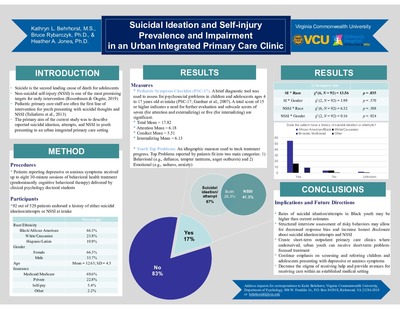
Assessing Reliability and Validity of the Parental Responsiveness Rating Scale During Book Reading
Yuqi Zhang, Jennifer LoCasale-Crouch, Brianna Jaworski, Khara Turnbull, Rachel Moon, Eve Colson, Fern Hauck, and Nicole Geller
Parental responsiveness, defined as emotionally supportive behaviors, is consistently related to children’s development in research studies. It reflects attention to children’s emotional functioning through providing comfort, reassurance, and encouragement. However, measuring parental responsiveness in everyday practice has been challenging due to the complexity of available tools. The Parental Responsiveness Rating Scale (PaRRiS), a brief observational rating scale that quickly and directly measures the quality of parent-child interactions, shows promise in bridging this research-to-practice gap. Several small-scale studies in UK clinical settings found PaRRiS to be easily implemented, reliable, and valid. Additional studies are needed to explore PaRRiS’s potential use within other settings and with other populations. To fill this gap, this study examines the reliability and validity of PaRRiS as a measure of parental responsiveness during a recorded mother-child book reading with US kindergarten-aged children.
-
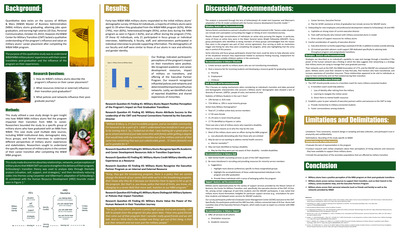
A Case Study Exploring William & Mary Military Alums' Experiences with Career Transition
Dirron Allen, Amanda Baldwin-Estep, Matthew Grinsell, and Kimberly Lintag-Nguyen
Background: The purpose of this qualitative study was to understand William & Mary (W&M) Master of Business Administration (MBA) military alums’ experiences with their career transitions post-graduation and the influence of the program on their experiences.
Methods: This study utilized a case study design, including focus groups and interviews with 21 alums from the last 10 years and formal, semi-structured interviews with six current faculty and staff. We used Schlossberg’s (1981) individuals’ situation, self, support, and strategies to analyze data using thematic analysis, and then iteratively reducing codes into themes.
Results: Demographic findings showed a lack of diversity, such as women, people of color, and LGBTQ+. Our findings indicated participants’ perceptions of the program’s impact on their transitions were positive. We recognized academic and career development resources, impact of military on transitions, and offering of the Executive Partner Program. Our research recognized influential policies and networks and determined the importance of human networks. Lastly, we identified a lack of reported disabilities and shared experiences of minorities.
Conclusions: We found that active-duty alums’ situations differed from veterans due to delayed transitions into the civilian workforce. Our participants shared different supports used, such as the Center for Military Transition (CMT), the Executive Director of the CMT, the Graduate Career Management Center, and the Executive Partners Program. Networking and use of transition coaches also benefited military alums.
-
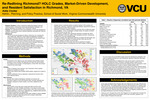
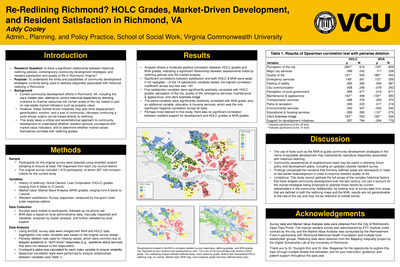
Re-Redlining Richmond? HOLC Grades, Market-Driven Development, and Resident Satisfaction in Richmond, VA
Adrian Cooley
This study investigates the relationship between historical redlining policies, contemporary market-driven community development strategies, and resident satisfaction and quality of life in Richmond, Virginia. The purpose of the study is to understand the limits of using market-driven indicators to create and evaluate community development plans that seek to correct historical inequities created by redlining. To do so, it compares data from redlining maps used by the Home Owners’ Loan Corporation (HOLC) in 1937 to a 2017 real estate Market Value Analysis (MVA) and a 2014 citywide resident satisfaction survey. Results show a significant, moderate correlation between redlining grades and market value grades, but weak correlation between resident satisfaction and MVA and HOLC grades. These findings contribute to the conversation about equitable development in Richmond and beyond by complicating the narrative that formerly redlined areas are necessarily in need of market-driven real estate development to improve resident quality of life. The study also underscores the importance of prioritizing community ownership of development planning processes in historically disinvested neighborhoods.
-
Belaytionships Before Bros: Qualitative Analysis of Gender Identity and Climbing
Samuel G. Crawford
Background. Sociological study of queer representation in sports has historically focused on gender within team sports, but less is known about these dynamics in more individual-oriented sports like climbing. Sociological scholarship on these dynamics in climbing has been relatively sparse. More mainstream analyses of queer issues in sports generally could potentially help examine these concepts. However, my experiences as a climber and former industry professional led me to believe that a more targeted qualitative sociological approach would provide valuable insight and perspective, particularly regarding this sports comparison.
Methods. This analysis draws upon ethnographic observation of a climbing gym in the Richmond area in Fall 2022, supplemented with in-depth, semi-structured interviews with climbers.
Results. Respondents of different identity backgrounds contrasted their experiences in climbing with those in other sports, team and individual. In particular, they commented on the inclusivity of the climbing community, providing examples of less hostility towards their queerness and more queer community. Most climbing requires collaboration and community, leaving less room for discrimination.
Conclusions. Climbing as an activity necessitates community due to its collaborative nature. Climbing has always been centered around a counter-cultural ethos, making it a prime candidate for inclusion of queer participants seeking community. This research suggests how the structure of certain sports may create different interpersonal dynamics. Specifically, it also deepens our theoretical understanding of how behaviors of toxic masculinity or queer inclusion may be rooted in the design of sports and the extent to which they encourage collaboration.
-
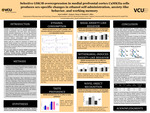
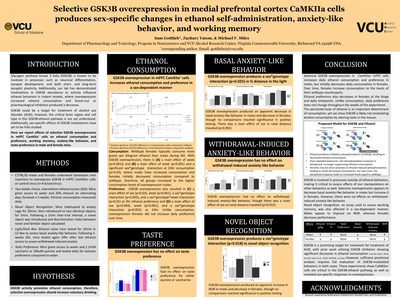
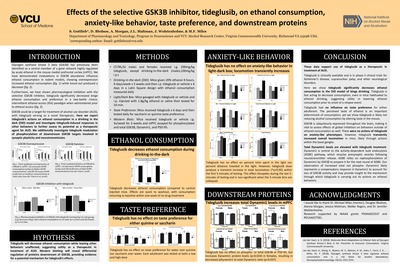
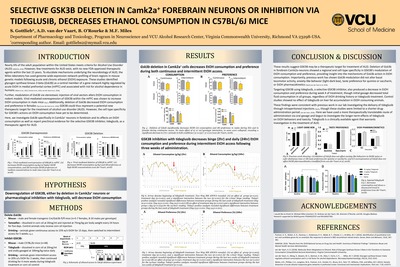
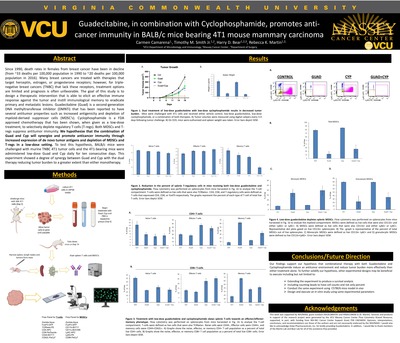
Selective GSK3B Overexpression in Medial Prefrontal Cortex Camkiia Cells Produces Sex-Specific Changes in Ethanol Self-Administration, Anxiety-Like Behavior, and Working Memory
Sam Gottlieb, Zachary Tatom, and Michael F. Miles
Background: Glycogen synthase kinase 3 beta (Gsk3b) is central in a gene network regulated by ethanol in mouse medial prefrontal cortex (mPFC). GSK3B abundance/activity modulations regulate ethanol consumption, suggesting GSK3B could be a target in treating alcohol use disorder. However, the critical cell type in this ethanol response is not yet known, nor have sex differences in GSK3B modulations been fully investigated. Here we report results of GSK3B overexpression selectively in CamKIIa+ mPFC cells on multiple behaviors.
Methods: Mice underwent stereotaxic injections to overexpress GSK3B in mPFC CamKIIa+ cells or control virus (n=4-6/sex/virus). We assayed working memory using a 5min delay novel-object recognition test (NOR), basal anxiety-like behavior via light/dark box (LDB), 5-weeks 2-bottle choice, intermittent ethanol access to measure ethanol consumption and preference, withdrawal-induced anxiety-like behavior 24hrs after last ethanol access, and taste-preference for saccharin (1.2mM) and quinine (200uM). Location of injections and deletion/overexpression was validated via immunofluorescence.
Results: In initial results, GSK3B overexpression produced a significant sex*genotype interaction in NOR (p=0.018), percent distance traveled in the light during LDB (p=0.025), 24hr ethanol consumption (p=0.040), and 2hr and 24hr ethanol preference (p=0.019; p=0.007 respectively). There was no effect on taste-preference Extension to fully statistically powered studies (n=15/sex/virus) are currently underway.
Conclusions: GSK3B is a promising target for treatment of alcohol use disorder as inhibition decreases ethanol self-administration. However, sufficient preclinical analysis requires full evaluation of GSK3B-modulated behaviors in both sexes. These experiments showed CaMKIIa+ cells are critical in the GSK3B-ethanol pathway, as well as revealed sex-specific responses to overexpression.
-
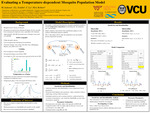
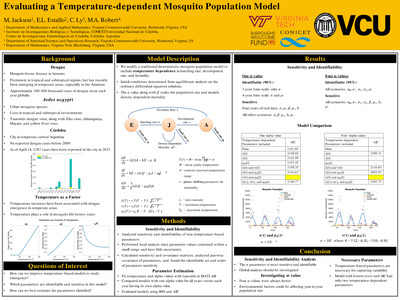
Evaluating a Temperature-dependent Mosquito Population Model
Morgan H. Jackson, Elizabet L. Estallo, Cheng Ly, and Michael A. Robert
Dengue Virus causes over 390 million infections and around 40,000 deaths each year. This virus is primarily transmitted by the mosquito Aedes aegypti. The life cycle of these mosquitos is significantly impacted by temperature, however, temperature is often neglected in mechanistic models. Predictive models of mosquito populations thus require the inclusion of temperature and are valuable for helping medical officials plan for the impact of outbreaks. Using mosquito and climate data collected in Córdoba, Argentina from 2010-2013, we developed a non-autonomous ordinary differential equations model that includes temperature dependent parameters associated with mosquito life history. We performed local sensitivity and identifiability analysis to determine which model parameters should be estimated. We explored the effects of incorporating temperature in different combinations of life history characteristics to find the most parsimonious model that includes temperature. Additionally, we estimated values for combinations of density-dependent parameters to improve the model fit. These parameters control nonlinear population regulation but are often difficult to estimate from data alone. We found that including even just three temperature-based parameters: eggs laid per adult female, development rate of juveniles to adults, and adult mortality rate, produced a model that matches the data well. Additionally, we fit a density-dependent parameter and combinations of density dependent parameters to improve the model fit. We discuss these results in the context of improving mosquito population and dengue epidemiological models.
-
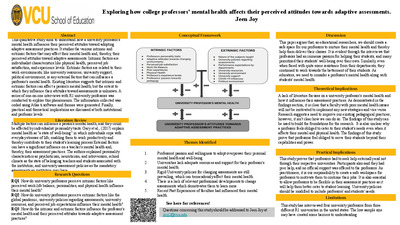
Exploring how college professors' mental health affects their perceived attitudes towards adaptive assessments.
Jeen Joy JJ Joy Ms
This qualitative study aims to understand how a university professor's mental health influences their perceived attitudes toward adopting adaptive assessment practices. It studies the various intrinsic and extrinsic factors that may affect their mental health and, thereby, their perceived attitudes toward adaptive assessments. Intrinsic factors are individualist characteristics like physical health, perceived job satisfaction, and experience levels. Extrinsic factors are related to their work environments, like university resources, university support, political environment, or any external factors that can influence a professor's mental health. Existing literature suggests that intrinsic and extrinsic factors can affect a person's mental health, but the extent to which they influence their attitudes toward assessments is unknown. A series of one-on-one interviews with R1 university professors was conducted to explore this phenomenon. The information collected was coded using Atlas.ti software and themes were generated. Finally, practical and theoretical implications are discussed at both institutional and professor levels.
-

MODELING OF EXPANSION OF LASER-PRODUCED ALUMINUM PLASMA PLUME IN AMBIENT AIR
Edmund Tsiri Semaha
When a laser pulse is focused on an aluminum target, it interacts with the material’s surface and a plasma plume is developed. Hydrodynamic expansion of generated plasma plume consisting of interacting target and ambient gaseous species remain one of very significant subjects of plasma plume chemistry, yet to be fully understood. The revealing of fundamental physics processes which occur within these plasma plumes is not only of purely scientific advancement, but it is also of industrial interest. Our research focuses on the development of Computational Fluid Dynamics (CFD) model that is used to investigate the chemistry of expanding plasma generated during laser ablation of aluminum in air ambient. We apply the reactingMultiPhaseEulerFoam (rMEF) solver that is a part of OpenFOAM software package in order to model the expansion of plasma plume into an ambient gas. The proper thermodynamic, transport, atomic, and phase change properties for aluminum-air plasma are set in this solver. The formation of chemical compounds is believed to be due to the hydrodynamics of interactions between plasma species. The rMEF CFD results on the time and spatial evolution of plasma plume are validated against those calculated from other OpenFOAM solvers. The hydrodynamic fields of pressure, density, temperature, and velocity are analyzed and compared with published experimental data. The expansion dynamics of aluminum plasma plume into an air background provides the insights into the atomic and chemical processes occurring in the laser-produced plasma.
-
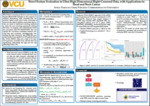
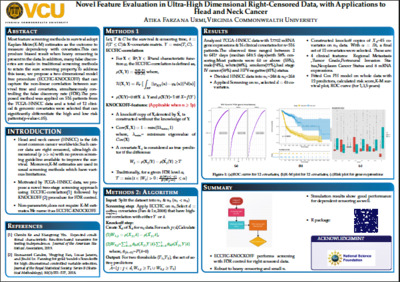
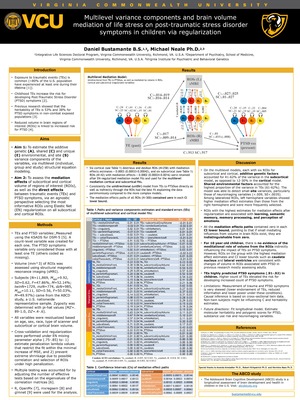
Novel feature evaluation in ultra-high dimensional right-censored data, with applications to Head and Neck cancer
Atika Farzana Urmi
Background: Head and neck cancer is the 6th most common cancer worldwide with an expected 1.08 million new cases each year. Such cancer data are ultra-high dimensional with thousands of clinical features and gene expressions, making it challenging for the traditional analytical tools to extract the potential biomarker for the cancer survival and control false discoveries. In addition, presence of heavy censoring can affect the screening procedures based on Kaplan-Meier (K-M) survival estimates.
Aim: To propose a model free, ultra-high dimensional feature screening method with two-dimensional survival outcome allowing false discovery rate (FDR) control.
Method: 516 primary tumor patients with 17702 normalized mRNA gene expressions & 16 clinical covariates were analyzed. covariates associated with survival were identified using a screening procedure. Further, an FDR control procedure was introduced along with the screening algorithm. Performance was evaluated using cross validated AUC values and log-rank test.
Results: A total of 12 covariates (8 gene expressions and 4 clinical features) were selected in the screening with FDR control procedure. AUC values of 1-,3-, 5- years overall survival were 0.75,0.71 and 0.68 respectively. The selected covariates also significantly differentiated low and high risk patients (p-value <.001)
Conclusion: The proposed method can capture both linear and non-linear correlation between predictors and outcome without requiring any complex estimation or optimization. Furthermore, the issue of false discoveries in the screening procedure was also tackled. Thus, the method can be used to identify potential risk factors to improve early screening, treatment and ensure prolong survival.
-
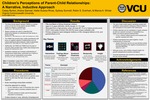
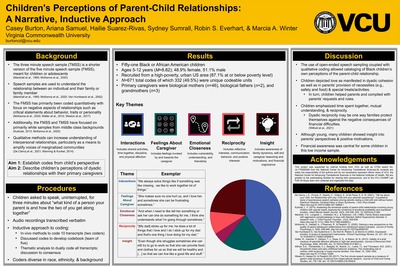
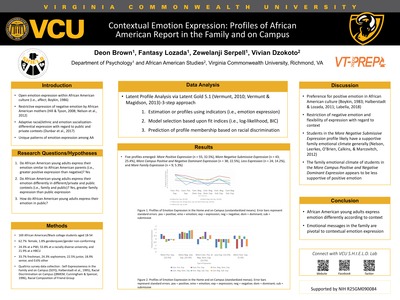
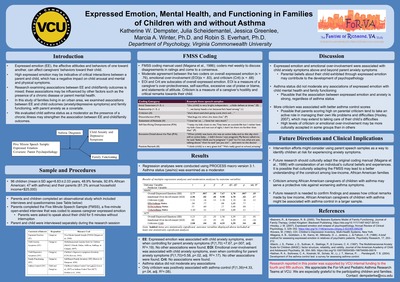
Children's Perceptions of Parent-Child Relationships: A Narrative, Inductive Approach
Casey Burton M.Ed; Ariana Samuel; Hailie Suarez-Rivas; Sydney Sumrall; Robin S. Everhart, Ph.D; and Marcia A. Winter, Ph.D
Background: Narrative methods can allow researchers to gather rich data from children regarding their perceptions of their relationship with parents that may not otherwise be captured using tasks, questionnaires, or structured interviews; however, existing coding systems have been established with samples that are largely White and middle class. The current study sought to establish child-inspired codes that would better reflect the sample.
Methods: Children aged 5-12 years (M=8.82, 48.9% female) and their caregivers were recruited from high-poverty urban US areas. All participants identified as Black or African American. Children were audiotaped while speaking, uninterrupted, for three minutes about their relationship with their primary caregiver (TMSS; Marshall et al., 1990). A team of five researchers - diverse in race, ethnicity, and background - established a codebook using in-vivo methods, dually coded N=51 transcripts via thematic analysis, and analyzed codes for emergent themes (Braun & Clarke, 2006).
Results: Coders identified N=671 codes from the transcripts, of which 332 (49.5%) were unique codeable units. Five themes emerged from the data: interactions, feelings about caregiver, emotional closeness, reciprocity, and insight.
Conclusions: The use of open-ended speech sampling coupled with qualitative coding allowed cataloging of Black children’s own perceptions of the parent-child relationship. Children emphasized time spent together, mutual understanding, & reciprocity. Many children also showed insight into parents’ perspectives and motivations, including financial awareness. Previous work indicates this dyadic reciprocity may be one way families protect themselves against the negative consequences of financial difficulties (Wilhoit et al., 2021).
-

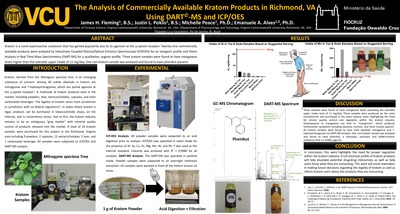
The Analysis of Commercially Available Kratom Products in Richmond, Virginia
James H. Fleming Jr, Justin Poklis, Michelle R. Peace, and Emanuele A. Alves
Kratom is a novel psychoactive substance that has gained popularity within the past ten years. Originating from Southeast Asia, the leaves of the Mitragyna speciosa tree contain two principal alkaloids, mitragynine and 7-hydroxymitragynine, that play a key role in opioid-like effects. Twenty-nine kratom products were obtained from tobacco shops in the Richmond, Virginia area, including powders, teas, capsules, extracts, and a carbonated beverage. Samples were analyzed using Direct Analysis in Real Time-Mass Spectrometry (DART-MS) for kratom alkaloids, labeled ingredients, and other possible organic compounds. Inductively Coupled Plasma-Optical Emission Spectroscopy (ICP-OES) was used to quantitate aluminum, arsenic, copper, iron, magnesium, nickel, and lead with yttrium as the internal standard. Mitragynine and 7-hydroxymitragynine were present in every kratom sample. Kratom tea samples were found to have up to 20 times the tolerable upper intake of manganese. Overexposure to manganese can lead to Parkinsonian symptoms including tremors, dystonia, and facial muscle spasms. Gas Chromatography-Mass Spectrometry (GC-MS) was used to qualitatively confirm the presence of alkaloids and differentiate diastereomers. One non-kratom product was analyzed and was found to contain phenibut, an anxiolytic and nootropic substance. Phenibut was not listed on the label of this product. This work contributes to bring attention to the absence of quality control standards on kratom manufacturers as well as proper labeling of products sold at smoke and tobacco shops, prompting a public health concern due to the association of toxic metal levels in commercial kratom products.