



Abstract
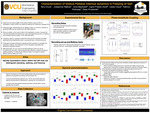
Background: Parkinson’s disease (PD) is a progressive neurodegenerative disorder affecting ~1 in 1000 individuals over age 45. Freezing of Gait (FOG), a debilitating symptom in late-stage PD, affects up to 63% of patients and contributes to falls and reduced quality of life. While deep brain stimulation (DBS) of the subthalamic nucleus (STN) helps some symptoms, FOG remains difficult to treat. Given the complexity of basal ganglia circuitry, the role of related basal ganglia nuclei, such as the Globus Pallidus internus (GPi), in FOG deserves further investigation.
Methods: Five PD patients with FOG, implanted with Medtronic Percept DBS systems (sampling at 250 Hz), completed obstacle courses designed to elicit FOG (e.g., path obstruction, turns). Local field potentials (LFPs) from GPi were recorded during standing, walking, and freezing episodes. Ankle accelerometers captured gait data. LFPs were analyzed spectral parameterization from 1-125 Hz. Beta-Gamma Phase-Amplitude Coupling (PAC) was evaluated using beta (12–35 Hz) phase and gamma (40–95 Hz) amplitude bands.
Results: Spectral analysis showed increased exponent and offset values during standing, suggesting enhanced local inhibition in GPi. GPi PAC was highest during standing, lowest during walking, and intermediate during freezing; suggesting PAC is a normal pallidal response. This contrasts with the STN, where PAC is pathologically elevated during freezing.
Conclusions: These results support a spatial dissociation in PAC dynamics between GPi and STN during FOG. GPi PAC during freezing may reflect compensatory processing rather than pathology. Future work should explore GPi’s role in modulating FOG-related motor control.
Publication Date
2025
Keywords
Deep Brain Stimulation, Parkinson's Disease, Freezing of Gait, Phase Amplitude Coupling
Disciplines
Bioelectrical and Neuroengineering
First Advisor
Dean Krusienski
Is Part Of
VCU Graduate Research Posters